Closing day is a blur of keys, papers, and paint swatches — and the least exciting purchase on the new-homeowner list is also the most important: the safety basics. Before the furniture arrives, the protection layer should: working alarms on every level, extinguishers where fires start, leak sensors at the fixtures you cannot see, and backup power for the devices that matter.
Here is the new-homeowner safety kit we recommend, in the order to buy it.
What to look for
- Alarm coverage first. Verify what came with the house: smoke alarms, CO alarms, their ages and battery status. Replace anything expired or unknown — this is non-negotiable before move-in.
- Certifications on everything. Alarms and extinguishers should carry recognized safety certifications; they are the difference between protection and decoration.
- Maintenance simplicity. Sealed-battery alarms and gauge-checked extinguishers are the new-homeowner-friendly choices — less to remember, less to fail.
- Progressive layering. Start with alarms and extinguishers, then add leak sensors and backup power as the budget allows. Coverage beats completeness on day one.
- Documentation. Note model numbers, install dates, and end-of-life dates for everything. Future-you will thank you.
The picks
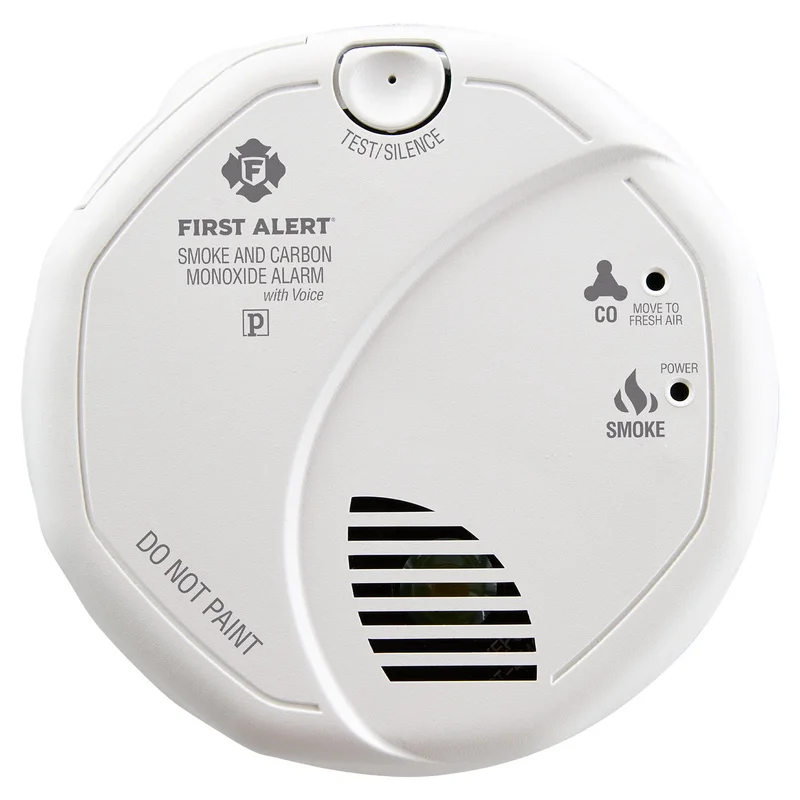
First Alert SC7010BV — the essential first purchase
The First Alert SC7010BV is the ideal first alarm for a new home: combination smoke and CO detection, hardwired with battery backup, and voice alerts that announce the hazard. Install one per floor and outside sleeping areas and the two most important protections are covered with clear, talked-through alerts. It is the single highest-value safety purchase a new homeowner can make.
Govee Water Leak Detector 3-Pack — the unseen-risk layer
New homeowners do not know their plumbing yet — which hoses are original, which seals are weak. The Govee 3-pack puts Wi-Fi sensors under the kitchen sink, by the water heater, and behind the washing machine, with phone alerts when water appears. It is cheap, installs in minutes, and turns the first year’s plumbing surprises from disasters into notifications.
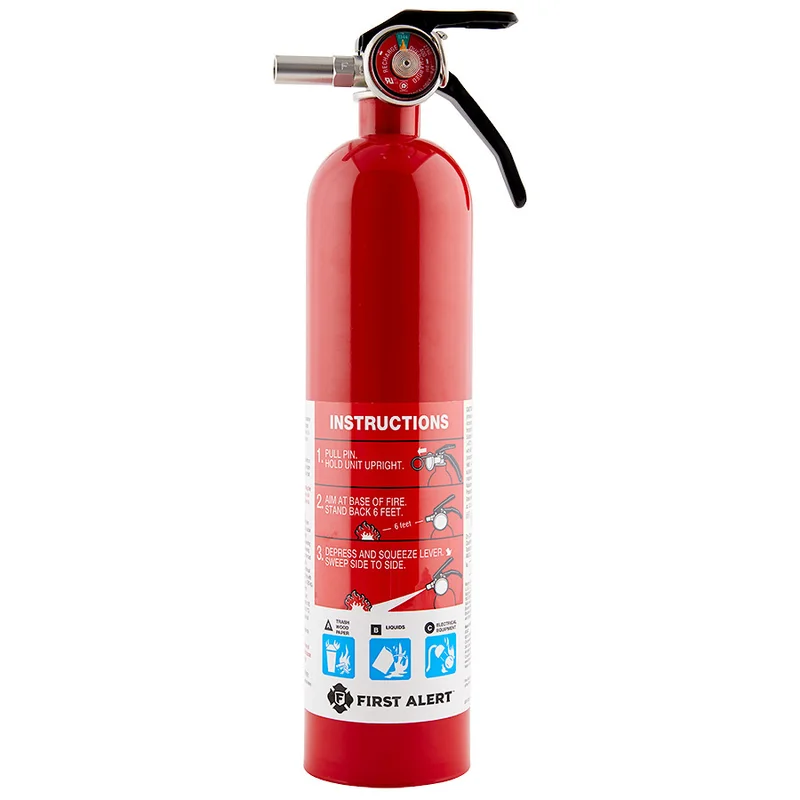
First Alert HOME1 — the kitchen fire answer
A kitchen-rated extinguisher mounted within reach of the stove is the second-layer purchase: fires start small, and a unit rated for cooking fires is the difference between a pan incident and a kitchen loss. Add a multi-purpose unit for the garage when the budget allows.
APC BE425M — the home office backbone
New homes often come with older wiring and unpredictable grid events. The APC BE425M UPS protects the router, modem, and computer from surges and keeps them running through brief outages — the practical device for anyone working from home before the new-house list is done.
Real-world usage scenarios
- Move-in week. Install alarms and extinguishers before unpacking — the house is at its most chaotic, which is exactly when a smoke alarm failure is worst.
- First winter. Run the home safety checklist, confirm heater and chimney safety, and test the radon levels in the new basement.
- First vacation away. With leak sensors and (eventually) a smart alarm or shutoff, leaving the new house empty stops being anxiety-inducing.
- First storm season. A UPS on the router and a charged plan for outages keeps the new home connected and calm.
Buying advice
Buy in layers, not all at once: alarms and extinguishers first (a few hundred dollars total), leak sensors next, backup power after that. Avoid the trap of buying smart gadgets before the basics — a Wi-Fi alarm is a poor substitute for a missing basic one. Check what the previous owners left: many homes sell with installed alarms, and knowing their ages can save a purchase. And log everything: install dates, model numbers, and replacement schedules pay off every time the beep starts.
Frequently asked questions
What should I check on move-in day?
Test every smoke and CO alarm, note their ages, check the fire extinguisher gauge, locate the water shutoff valve, and test GFCI outlets. Those five checks take an hour and cover the highest-risk basics.
How many alarms do I really need?
Standard guidance is one smoke alarm per level, inside each bedroom, and outside sleeping areas, plus a CO alarm near sleeping areas on floors with fuel-burning appliances. Combination units cover both efficiently.
Should I buy a smart alarm system on day one?
Only after the basic coverage exists. Smart alarms add convenience and remote alerts, but they depend on Wi-Fi and power — the basic sealed-battery alarms are the foundation, and smart units layer on top.
What is the first safety upgrade for an older home?
Replace unknown-age alarms and check the electrical panel and grounding. From there, GFCI outlets in wet areas and a modern smoke/CO layout are the highest-value upgrades.
How much does a complete starter kit cost?
A full basic kit — combination alarms per floor, kitchen and garage extinguishers, and a leak-sensor pack — typically lands well under $500, with the UPS adding to that if you work from home. Coverage this cheap is why safety should come before decor.