Carbon monoxide is the home hazard with no warning of its own: colorless, odorless, and produced whenever fuel burns incompletely — furnaces, water heaters, fireplaces, generators, and attached garages all qualify. The detector that catches it is one of the few purchases every home truly needs, and the 2026 market offers everything from basic battery units to smart alarms that call your phone.
Here are the CO detectors we recommend, matched to the layout and habits of real homes.
What to look for
- Sensor type. Electrochemical CO sensors are the standard for consumer alarms — they measure CO gas accurately and are distinct from smoke sensors. Verify the unit actually detects CO, not just fire.
- Power source. Plug-in units with battery backup cover hallways and living areas; battery-only units cover rooms without convenient outlets. Sealed 10-year-battery models remove replacement-guessing for a decade.
- Certifications. Look for alarms that meet recognized safety standards — the certification mark is the difference between a real detector and a decorative gadget.
- Alarm behavior. A loud alarm (85 dB or higher) is non-negotiable. Voice alerts that say “carbon monoxide” instead of beeping are a meaningful upgrade for groggy middle-of-the-night responses.
- Display features. Digital displays show current CO levels, which help distinguish a real reading from a false alarm.
- Smart features. Wi-Fi alarms send alerts to your phone when you are away — genuinely useful for vacation homes and for confirming “was that the detector that beeped?”
- Placement plan. The recommendation is generally one detector on each floor and near sleeping areas — count the units you need before shopping.
The picks
First Alert CO710 — best 10-year sealed-battery CO alarm with display
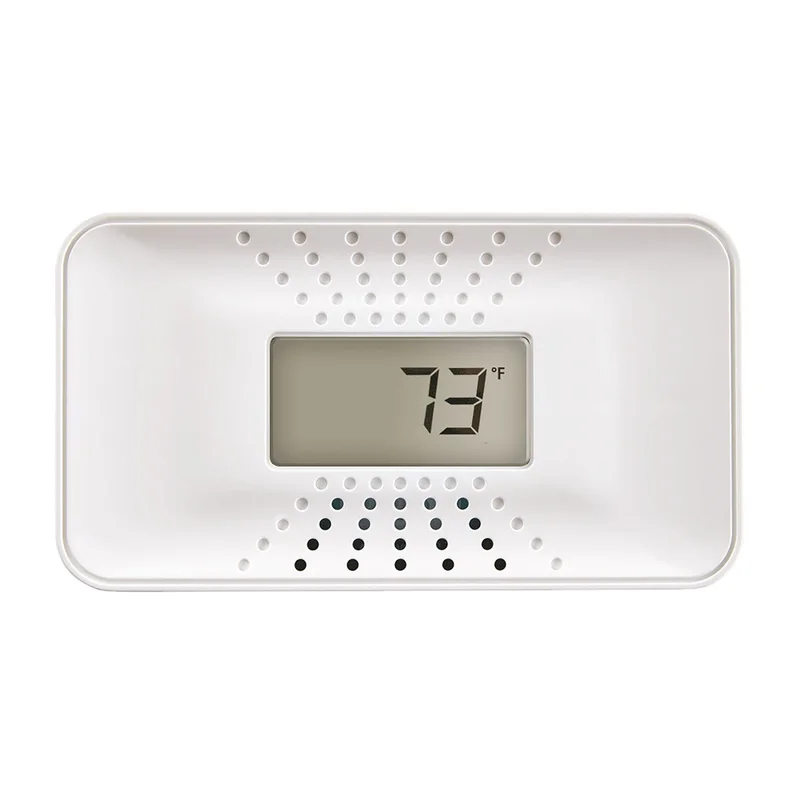
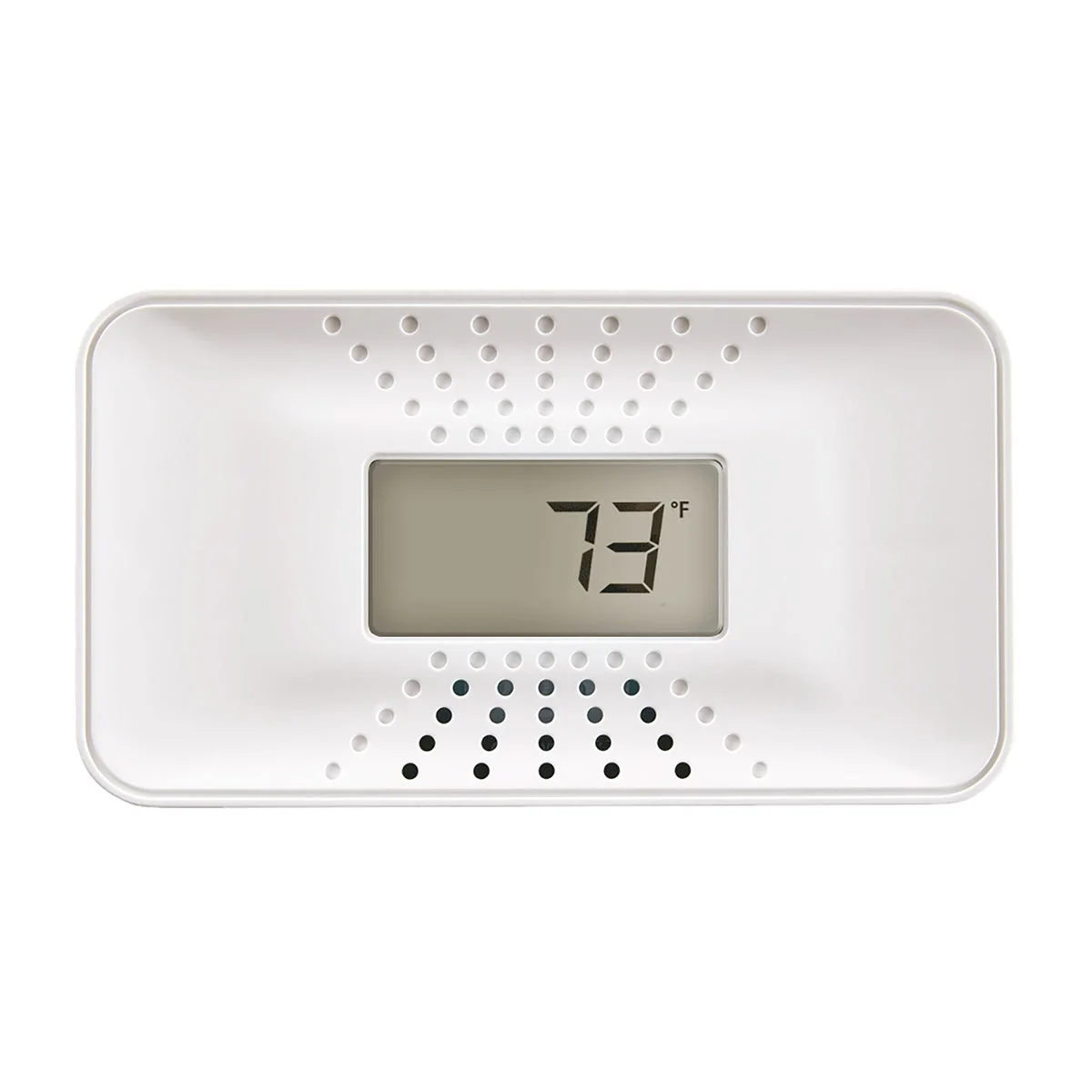
The First Alert CO710 is the classic recommendation for hallways and living areas: a 10-year sealed-battery alarm with an electrochemical sensor and a digital display showing current CO levels and temperature. It tells you at a glance whether the number is climbing during a heating season, and its simple test and silence buttons are exactly what a half-asleep homeowner needs. There is no outlet to occupy and no battery to change for a decade — but for dependable, transparent CO detection, it is the benchmark.
Kidde Nighthawk KN-COPP-3 — best plug-in alternative with peak memory
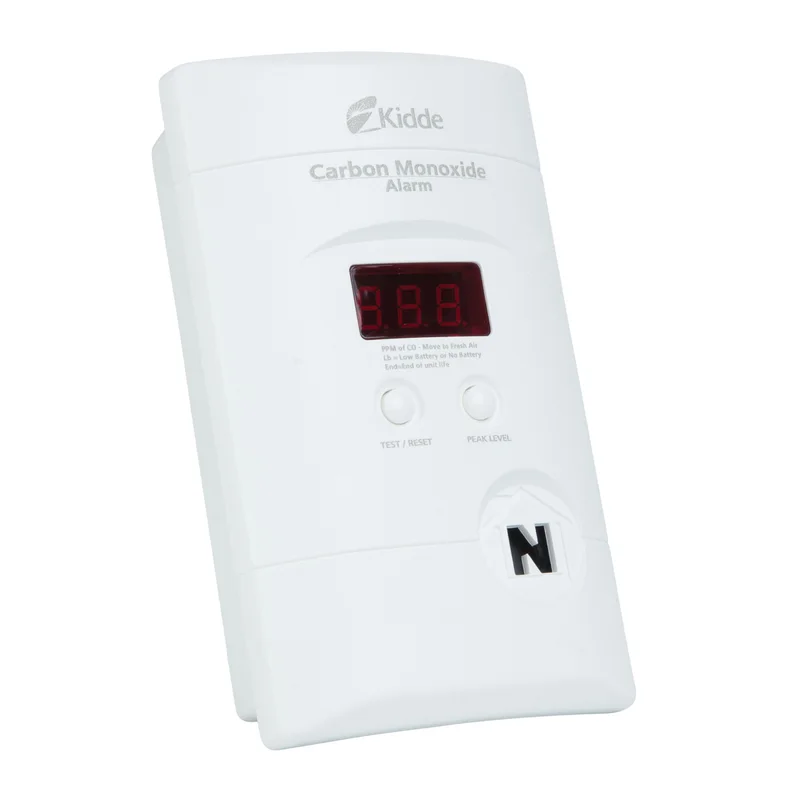
The Kidde Nighthawk KN-COPP-3 covers the plug-in-with-battery-backup design and adds peak-level memory, which records the highest CO reading since the last reset. That feature is surprisingly useful when you hear a beep at 3 a.m. and want to know if levels actually spiked. It is a proven, widely available unit, though its placement requires an outlet and a spot away from drafts rather than a shelf.
Google Nest Protect — best smart CO and smoke alarm
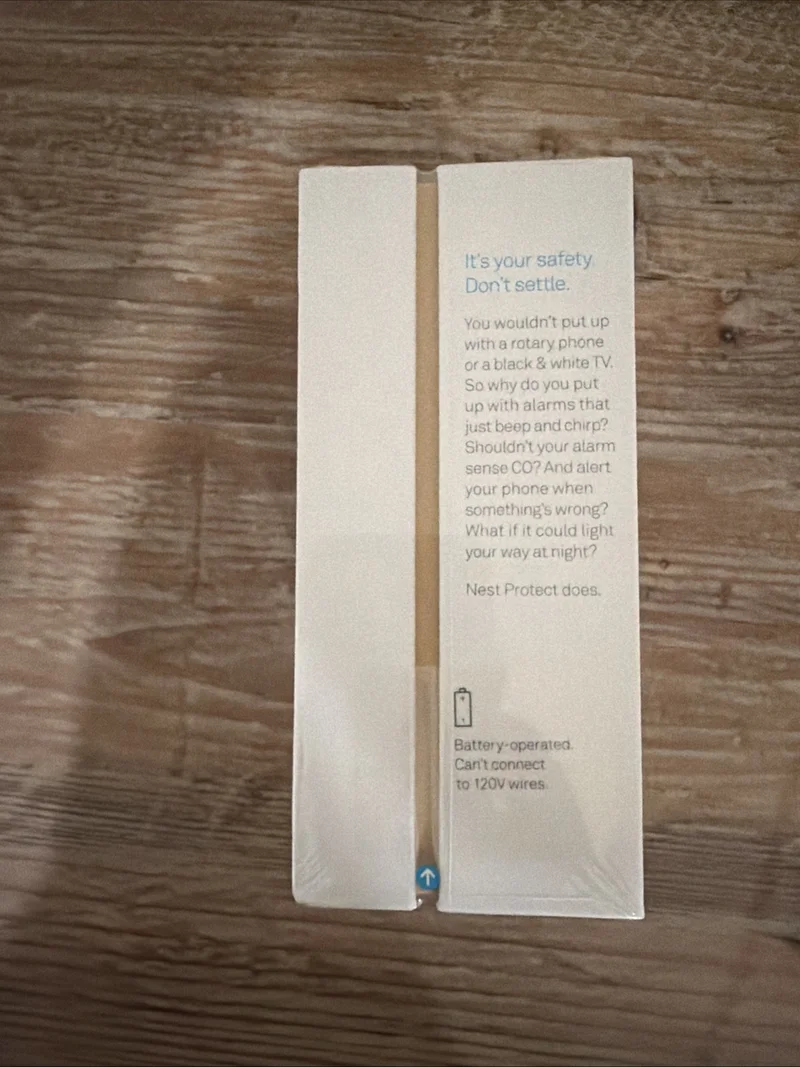
The Nest Protect is the smart-home pick for households that want alerts on their phone, self-testing hardware, and a nightlight. It combines smoke and CO detection in one unit, speaks the alarm type in plain language, and checks its own sensors automatically per its published specifications. It costs several times more than basic alarms and needs Wi-Fi for the smart features, but for connected households it is the most capable unit we cover.
First Alert SC7010BV — best hardwired combination with voice alerts
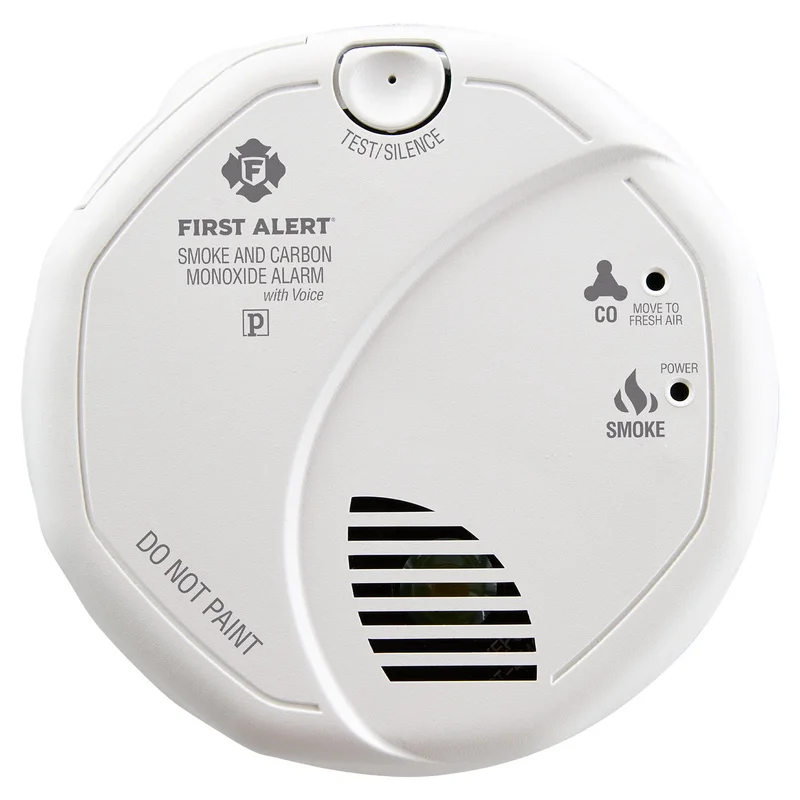
The First Alert SC7010BV solves the two biggest alarm failures — dead batteries and the wrong alarm type. It is a hardwired combination smoke and CO detector with battery backup and voice alerts that announce which hazard is present. The voice feature removes the beep-decoding guesswork at 2 a.m., and battery backup keeps it working during outages. It is the pick for homes with existing hardwired wiring and for anyone who wants interconnected, talked-through protection.
Real-world usage scenarios
- The gas-heated home. Furnace or boiler homes get a detector in the hallway outside sleeping areas and on the main floor — the two zones where a slow leak is most dangerous.
- The attached garage. Idling cars in an attached garage can push CO into the house; a detector near the garage entry is a common recommendation.
- The vacation property. A smart alarm like the Nest Protect checks in from anywhere — the difference between a ruined weekend and a phone notification.
- The all-electric apartment. Even all-electric homes benefit from a CO detector because neighbors’ fuel-burning appliances can share ventilation, but placement near sleeping areas matters most.
Buying advice
Buy enough units for the layout: one per floor plus sleeping areas is the standard guidance. Combination smoke-and-CO units save money and ceiling space where both are needed. If you buy smart alarms, remember they depend on Wi-Fi and power — a basic alarm is the right backup for the circuit that goes out in a storm. Prices on basic CO alarms are low enough that there is no reason to wait for sales; the smart tier is where seasonal discounts appear.
Frequently asked questions
Where should CO detectors go?
Common guidance is one detector on each floor of the home and within hearing range of sleeping areas. Avoid installing directly above fuel-burning appliances, in direct sunlight, or near vents and drafts where readings can be skewed.
How long do CO detectors last?
Consumer CO alarms have a service life of about 5–10 years depending on the model — sealed-battery units are typically rated for 10 years. Replace the unit (not just the battery) when it reaches end of life; most alarms beep to signal expiration.
What should I do if the alarm sounds?
Treat every CO alarm as real: get everyone outside, call emergency services, and do not re-enter until the source is identified and cleared. If the unit is smart, it may send a notification with the reading, but the response should be the same.
Do I need CO detectors if my home is all-electric?
Recommendations vary, but CO from attached garages, generators, or neighboring units' appliances can still enter an all-electric home. A detector near sleeping areas is cheap insurance in most cases.
Can a CO detector double as a smoke alarm?
Combination units detect both, but many homes pair separate smoke and CO alarms or use combination units where both are needed. Check the unit's certifications to confirm it covers both hazards.