Smoke detectors have one of the best safety records in the home — and one of the worst compliance rates, because of the two classic failure modes: dead batteries and disconnected units. The 2026 market has answered both with sealed 10-year batteries and interconnected smart alarms, so the newest detectors are the easiest to keep working that have ever been sold.
Here are the smoke detectors we recommend, from budget sealed-battery units to smart alarms that phone you from anywhere.
What to look for
- Sensor type. Photoelectric sensors respond faster to smoldering fires; ionization sensors respond faster to flaming fires. Many experts favor photoelectric for home use, and dual-sensor units cover both. Avoid vague “optical” marketing — read the sensor type.
- Sealed 10-year battery. A sealed lithium battery removes the number-one failure mode: the missing 9-volt. The whole unit is replaced at end of life.
- Interconnection. Wired or wireless interconnection makes every alarm sound when one detects smoke — critical for catching a fire in a distant room.
- Certifications. Look for alarms tested to recognized safety standards; the certification mark is the baseline of legitimacy.
- Smart features. Wi-Fi alarms send phone alerts, distinguish alarm types, and self-test — valuable for vacation homes and for silencing false alarms without a ladder.
- Hush function. A silence button for cooking smoke prevents the classic “disconnect the alarm” response to nuisance alarms.
The picks
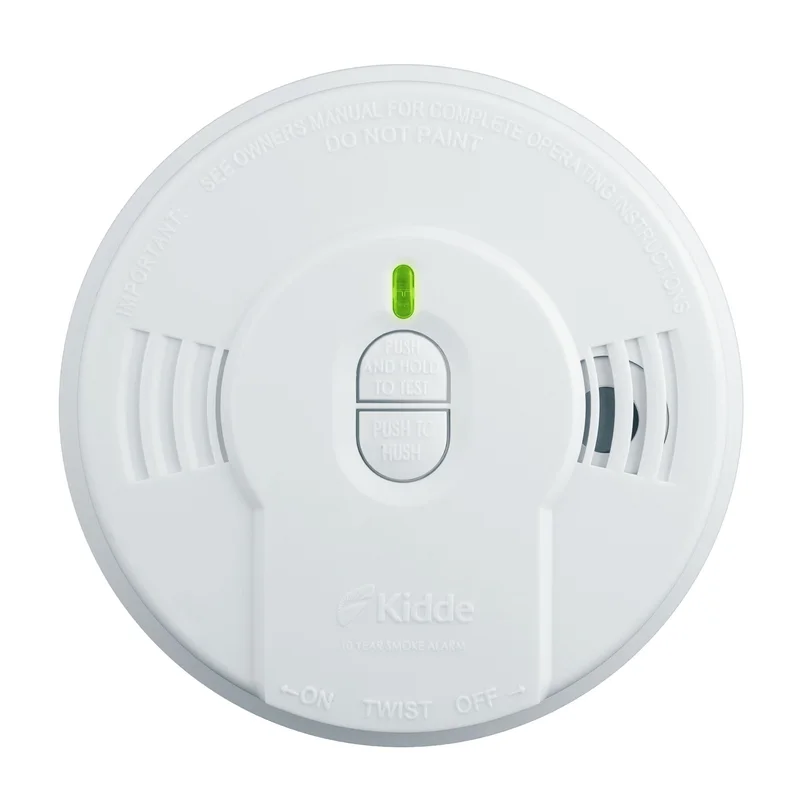
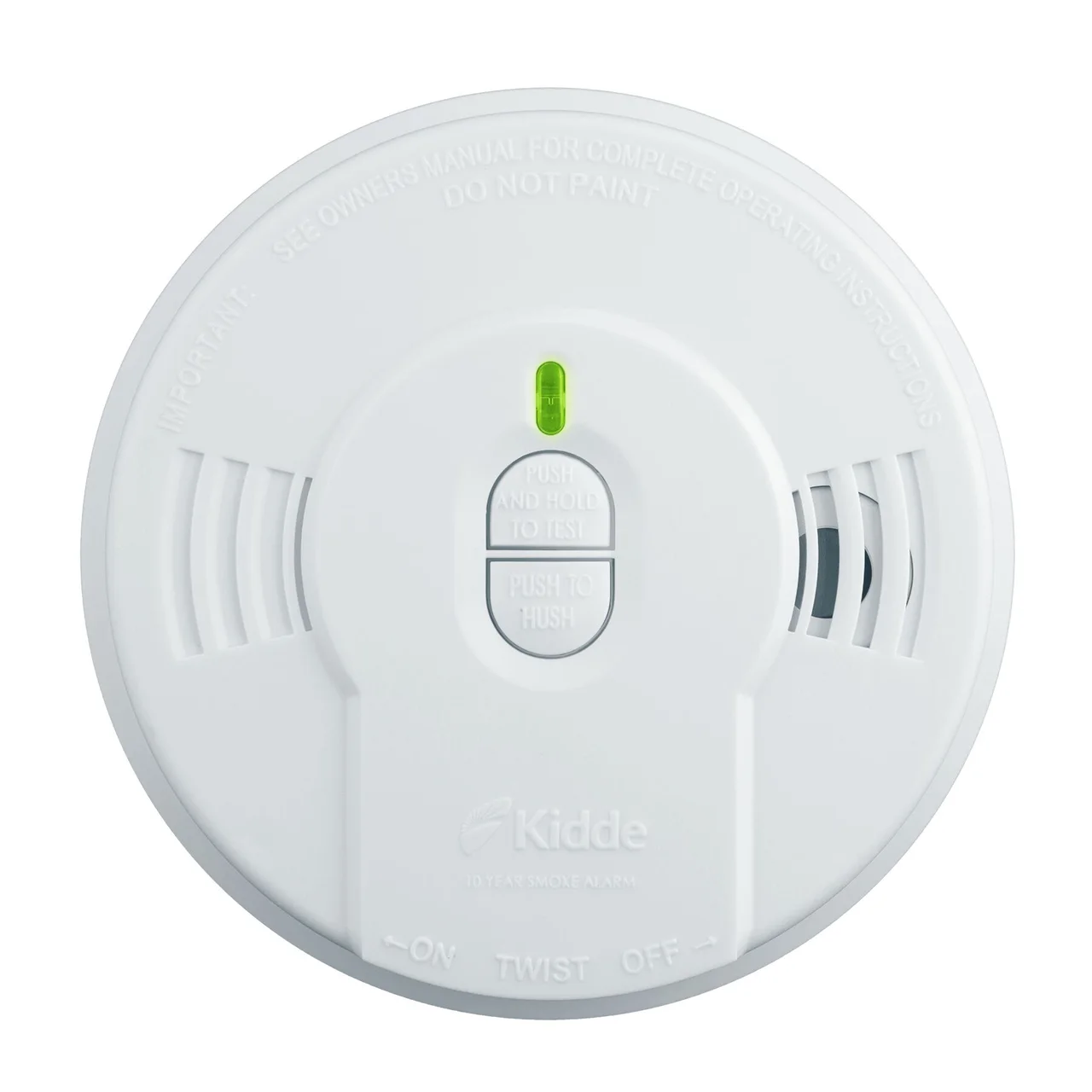
Kidde i9010 — best simple sealed-battery smoke alarm
The Kidde i9010 is the no-fuss standard: a photoelectric smoke alarm with a sealed 10-year battery, a hush button for nuisance alarms, and a low-profile design that mounts in minutes. It is smoke-only, so CO homes need a separate detector, and the basic model is not interconnected — but for dependable, maintenance-free single-unit coverage at a friendly price, it is the pick.
X-Sense XS01 — best budget smoke alarm
The X-Sense XS01 delivers the same core job — photoelectric detection, 10-year battery, test and hush buttons — at a price that makes whole-home coverage painless. It is compact, reliable, and the obvious choice for rental properties or outfitting every room on a budget. It has no smart features and limited interconnect options on the basic model, but for basic protection it is excellent value.
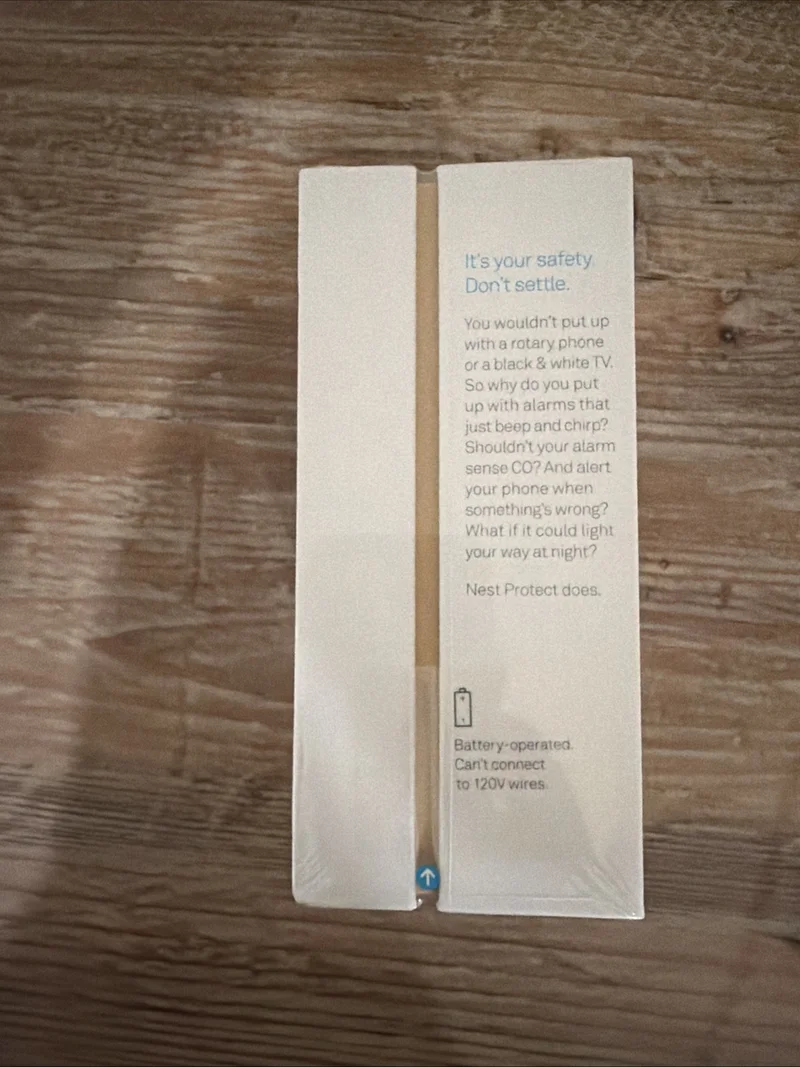
Google Nest Protect — best smart smoke alarm
The Nest Protect is the premium answer: split-spectrum sensing that distinguishes smoke types, voice alerts that say exactly what is happening, automatic self-tests, and phone notifications wherever you are. It is also a CO alarm and nightlight, consolidating three devices into one ceiling unit. The price and Wi-Fi dependency are the tradeoffs, but for connected households it is the most capable alarm we cover.
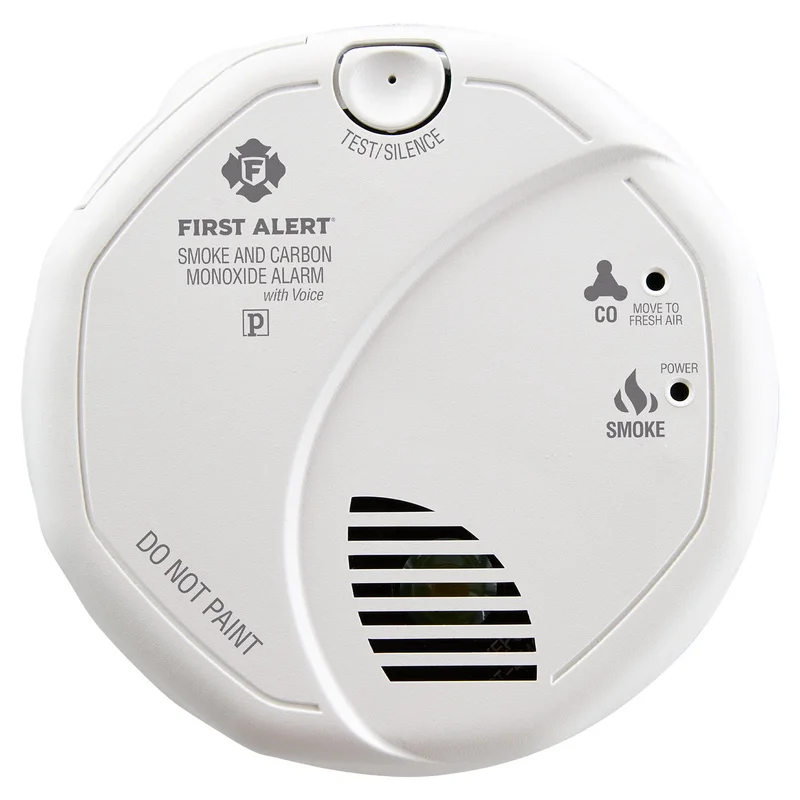
First Alert SC7010BV — best combination smoke and CO alarm
The First Alert SC7010BV pairs smoke detection with carbon monoxide sensing in a hardwired unit with battery backup and voice alerts — dual protection without dual installs. It is the efficient choice for hallways and bedrooms where both hazards are a concern and hardwired wiring already exists. It lacks smart features, but as a combo unit with clear voice announcements it is a strong dual-protection pick.
Real-world usage scenarios
- The new construction or renovation. Hardwired, interconnected alarms are code in many regions — a good time to choose smart units that interconnect over Wi-Fi.
- The rental property. Sealed-battery units end the tenant battery dance: there is no battery to remove, and end-of-life beeps signal replacement.
- The vacation home. A smart alarm like the Nest Protect tells you about a beep from anywhere — the difference between “was that my house?” and a phone notification.
- The cooking household. A hush button is the difference between tolerating a cooking alarm and disabling it. Every pick here includes one.
Buying advice
Buy for whole-home coverage, not single rooms: standard guidance is one alarm on each level, inside every bedroom, and outside sleeping areas. Interconnected alarms compound the value — a fire in the basement wakes everyone on the second floor. Skip ionization-only units for sleeping areas if you can, and treat smart features as a nice-to-have layered on top of a solid detector, not a replacement for one. Sealed-battery units cost more upfront and less over their decade of service — the math favors them.
Frequently asked questions
How many smoke detectors do I need?
A common baseline is one on every level, one inside each bedroom, and one outside sleeping areas — for a typical two-story home, that means roughly four to six units. Local codes vary; check your jurisdiction's requirements.
Photoelectric or ionization?
Photoelectric sensors respond faster to smoldering fires, which are the more common home fire type; ionization sensors are quicker on flaming fires. Dual-sensor or photoelectric units are the usual recommendation for most homes.
How long does a sealed-battery alarm last?
Sealed 10-year alarms are rated for about a decade of service, after which the entire unit is replaced. The alarm signals end of life with a beep pattern long before it stops working.
Should alarms be interconnected?
Yes, if your home allows it — interconnection means one detector triggering all alarms, which is especially important for catching fires that start far from sleeping areas. Hardwired homes commonly support it; some wireless models interconnect without wires.
Why does my smoke alarm beep at night?
Nighttime beeps are usually low-battery warnings, temperature changes, or dust in the sensor. Replace batteries or clean the unit as instructed; if beeping persists, replace the alarm. Smart alarms log the reason on your phone.