The tap water in most American homes is safe by the standards of the utility that delivers it — and still tastes like pipes, chlorine, or worse. An under-sink water filter is the upgrade that puts genuinely good water at one tap: cooking, coffee, and the water bottle refills, all from a system hidden inside the cabinet.
This guide compares the under-sink systems we recommend for 2026 — tankless reverse osmosis, remineralizing RO, and classic five-stage value — matched to the kitchens where each makes sense.
What to look for
- Filtration type. Reverse osmosis removes the widest range of contaminants, including dissolved solids, heavy metals, and many emerging compounds. Carbon-only systems improve taste and reduce chlorine but leave dissolved minerals alone.
- Flow rate. Tankless RO systems produce water on demand (measured in gallons per day); tanked systems store water and can refill slowly. If your household drinks a lot, speed matters.
- Installation. Most under-sink systems need a dedicated faucet or a faucet adapter, a cold-water line connection, and — for some — a drain saddle. DIY-friendliness varies a lot.
- Filter costs. The ongoing expense is the real price of a system. Compare cartridge prices and replacement frequency before buying.
- Waste ratio and efficiency. RO systems produce wastewater; modern ones are far more efficient than older designs. Tankless models often publish better ratios.
- Remineralization. Plain RO water can taste flat. Systems with an alkaline or remineralization stage add back minerals for a rounder taste.
- Certifications. Third-party certifications (like NSF/ANSI standards) for contaminant reduction claims are worth seeking — they mean the claims are tested, not just printed.
The picks
Waterdrop G3P800 — best tankless RO for busy kitchens
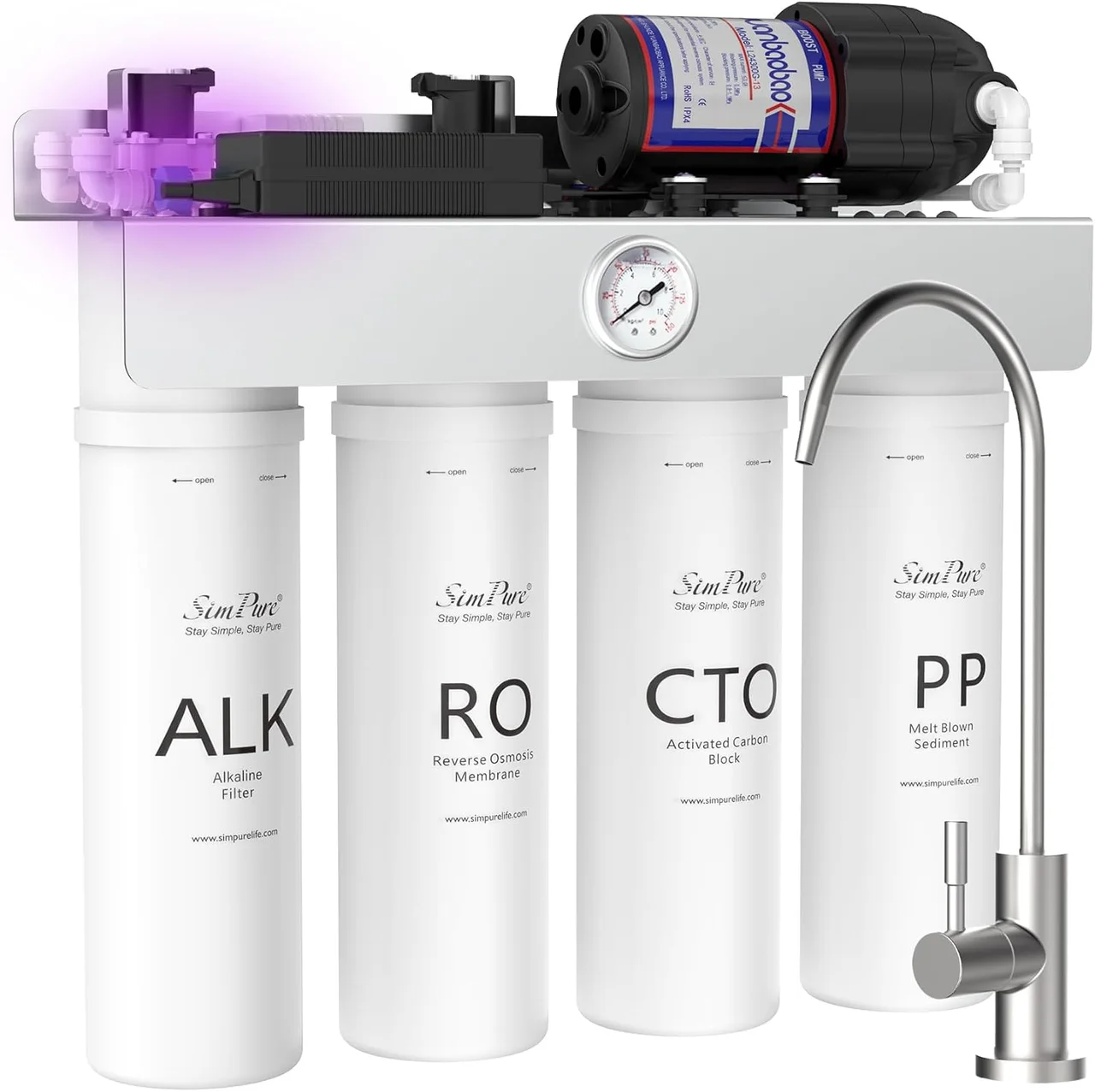
The Waterdrop G3P800 is the fastest system on our list, producing 800 gallons per day per its published specifications — enough to fill a pot without waiting. It is tankless, so nothing sits under the sink waiting to leak, and its smart faucet shows TDS and filter life while the app tracks usage. It is premium-priced and installation takes an afternoon, but for households that drink and cook with lots of water, the convenience is real.
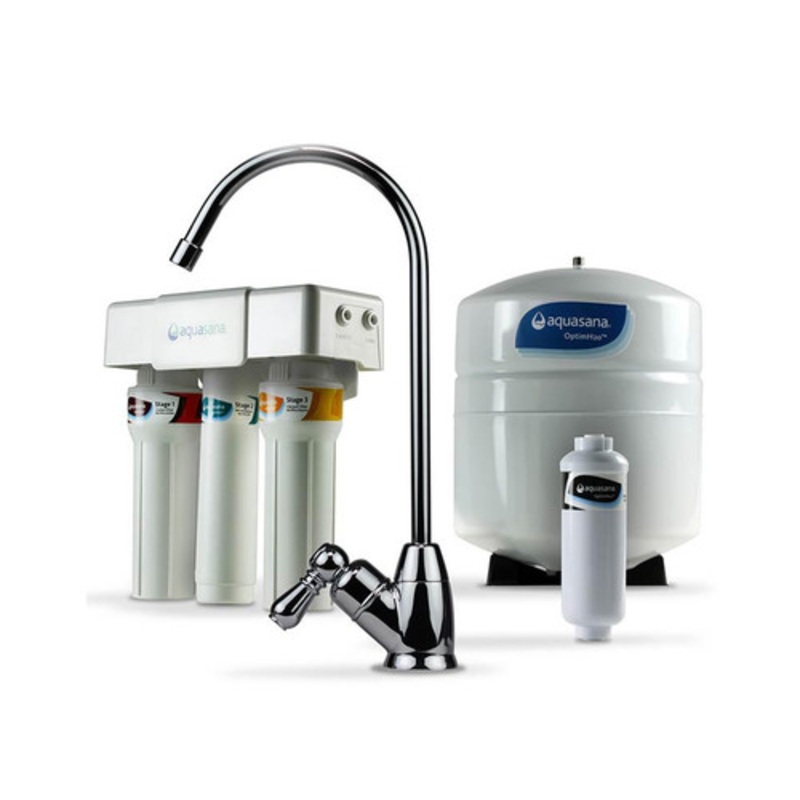
Aquasana OptimH2O — best under-sink RO with minerals
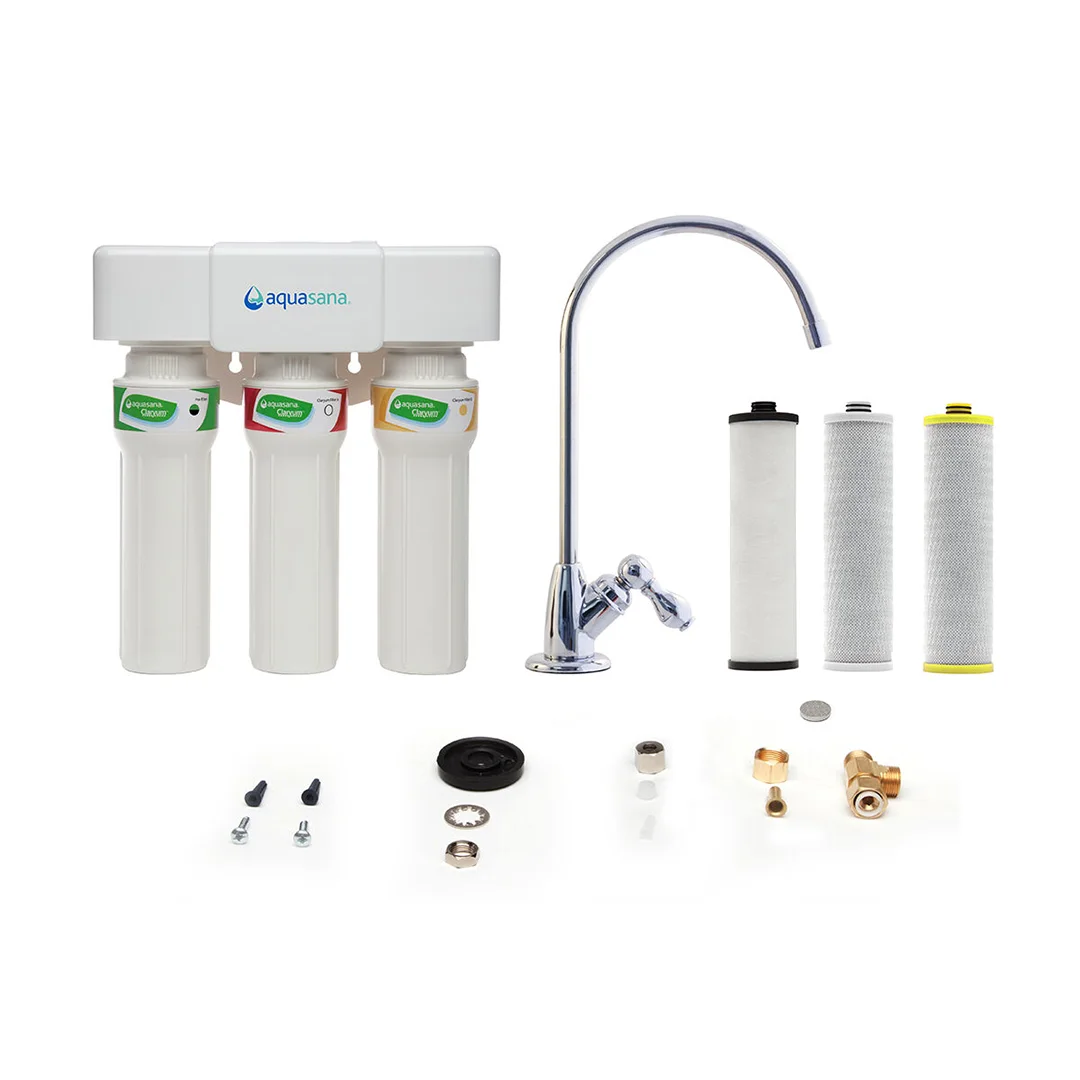
The Aquasana OptimH2O is the pick for families who dislike flat RO water. It pairs reverse osmosis with a remineralization stage, so the output tastes closer to spring water, and its faucet shows filter status at a glance. Certified contaminant reduction claims cover the usual suspects, and the compact tank design fits typical cabinets. Cartridge replacements add ongoing cost, and installation requires the standard under-sink work.
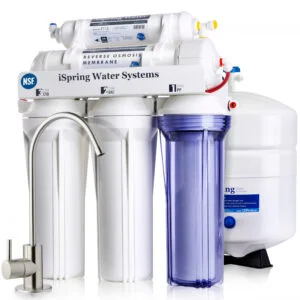
iSpring RCC7 — best classic under-sink value
The iSpring RCC7 is the dependable five-stage RO that DIY installers keep coming back to. It is a proven design — tank-based, 75 gallons per day, with cheap replacement filters and a clear installation guide. The tank takes cabinet space and monitoring is basic, but the value is hard to beat: real RO purification at a budget-friendly price with low running costs.
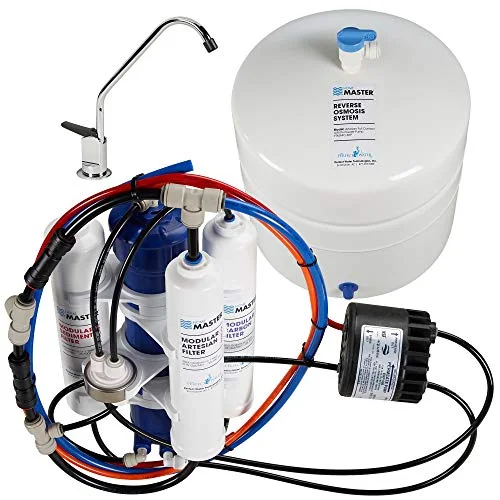
Home Master TMAFC-ERP — best high-capacity RO with alkaline stage
The Home Master TMAFC-ERP is built for high-volume households: seven stages including alkaline remineralization, upgraded flow, and efficiency options that reduce wastewater per its published specs. Push-to-connect fittings make installation approachable for DIYers, and the larger footprint under the sink is the main tradeoff. If you want mineralized RO water with serious capacity, it is the strongest all-rounder in this group.
Real-world usage scenarios
- The coffee kitchen. If you brew coffee or tea daily, a dedicated under-sink tap changes the taste of everything — and an RO system removes the mineral buildup that dulls brewers over time.
- The family water bottle station. Tankless or high-capacity systems keep pace with multiple refills a day, which a pitcher simply cannot do.
- The hard-water kitchen. RO removes dissolved solids that carbon filters leave behind — the difference you notice in glassware and kettle scale.
- The rental upgrade. Under-sink systems require permanent-ish installation; renters should look at the no-install options instead.
Buying advice
Set your budget around filter costs, not the sticker price. A cheap system with expensive cartridges loses to a pricier one with cheap replacements within a couple of years. Decide between tanked and tankless by your usage: high daily volume favors tankless or high-flow tanked systems. If you are new to RO, expect an afternoon of installation and plan the drain connection. Prices on these systems move with holiday sales, and filter bundles are the common deal — stock up on cartridges when the system itself is discounted.
Frequently asked questions
Is reverse osmosis water safe to drink?
Yes — RO is a well-established purification method that removes a wide range of contaminants, and remineralizing systems restore beneficial minerals afterward. If you have a medical condition or dietary restrictions that make mineral intake important, check with your healthcare provider about whether remineralization is right for you.
How much space do I need under the sink?
Tankless systems take less than a cubic foot of cabinet space; tanked systems need room for the storage tank, which can be significant in small cabinets. Measure your cabinet before choosing, and check the system's published dimensions.
Do I need a plumber?
Many systems are DIY-installable with push-to-connect fittings and detailed guides. If you are uncomfortable connecting to the cold-water line or drain, a plumber can typically handle it in under an hour.
How often do filters need replacing?
Typical schedules are 6–12 months for carbon stages and 1–3 years for the RO membrane, but this varies by system, water quality, and usage. Look for systems with filter-life indicators or apps to take the guesswork out.
Will an under-sink filter waste a lot of water?
RO systems produce some wastewater, but modern models publish efficiency ratios far better than older designs — some as good as 1:1 or 2:1 product-to-waste. Tankless models tend to be the most efficient.