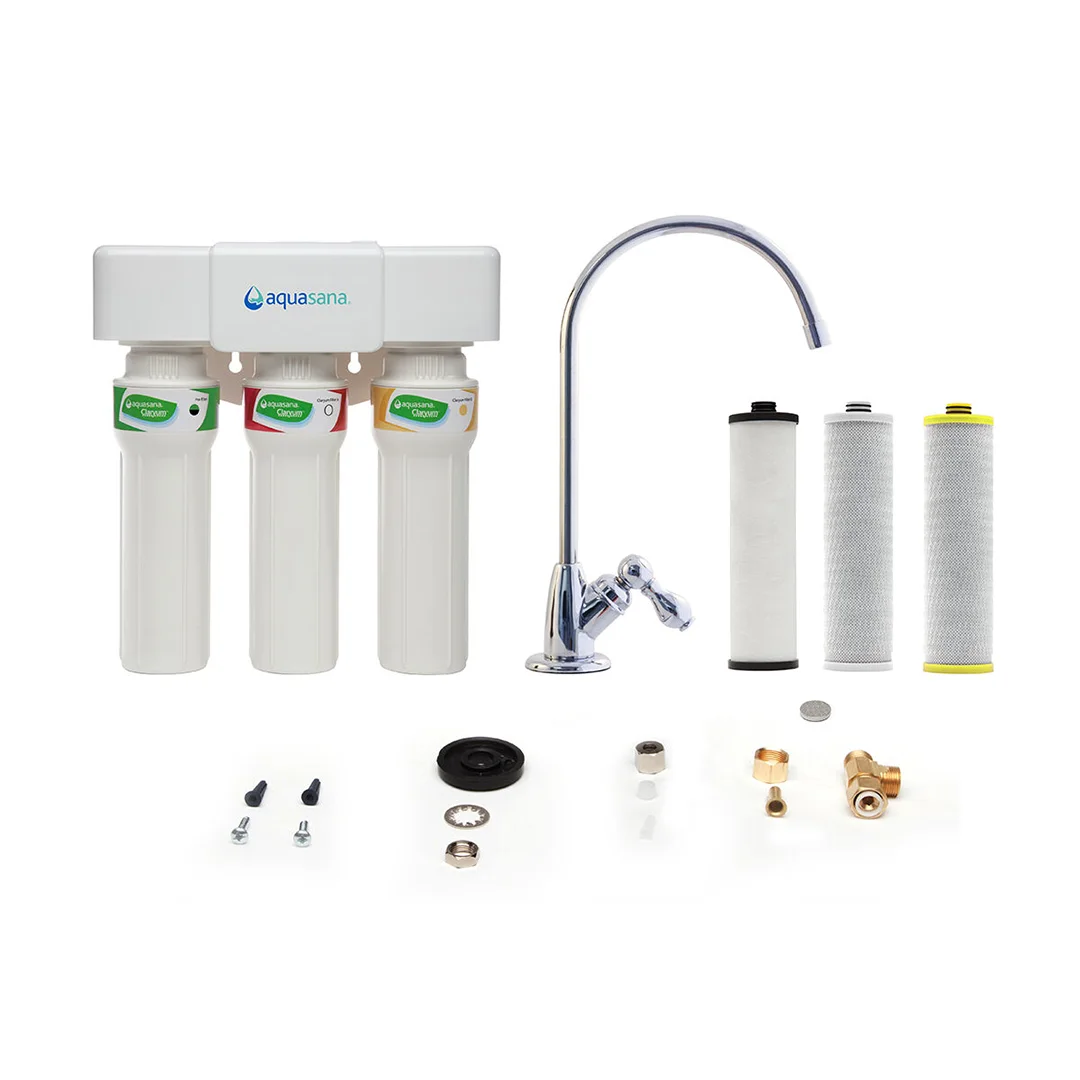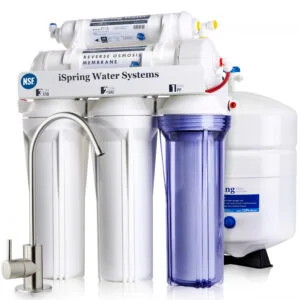
Real reverse osmosis purification does not require a four-figure system. The classic five-stage under-sink RO designs have been refined for decades, and today they deliver certified contaminant reduction at prices that land well under $300 — with running costs to match. For households that want genuine RO water without the premium features, this is the sweet spot of the market.
Here are the RO systems we recommend under $300, plus what you give up compared with the premium tier.
What to look for
- Filtration stages. A genuine RO system includes sediment and carbon pre-filters, the RO membrane, and a final polish stage. Fewer stages can mean weaker reduction; count the stages and read the contaminant claims.
- Output rate. Systems in this class typically produce 50–400 gallons per day — plenty for drinking and cooking. Faster output costs more.
- Tank or tankless. Tanked systems store water and refill slowly; tankless is faster but rare at this price. Know which you are buying.
- Filter and membrane costs. The best value systems have cheap, widely available replacements. Check the price per year before buying.
- Certifications. Look for published, tested contaminant-reduction claims rather than vague marketing.
- Installation and support. Under-sink RO needs a faucet and drain connection. Good instructions and responsive support matter more at budget prices.
The picks
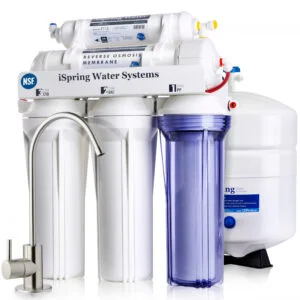
iSpring RCC7 — best value under-sink RO
The iSpring RCC7 is the budget-tier benchmark: a proven five-stage design, 75 gallons per day, metal housings for the main stages, and replacement filters that are among the cheapest in the category. It has been installed in countless kitchens, the instructions are clear, and support is genuinely responsive. The tank takes cabinet space and monitoring is basic, but as a dependable, low-cost RO system it is the one we recommend first.
APEC ROES-50 — best proven long-term pick
The APEC ROES-50 is the veteran of the category: a five-stage, 50 gallons per day system with a long track record, US-based support, and cheap filters. It is slower than the RCC7 and uses a storage tank, but its simplicity and reliability are exactly what budget buyers want from a system they plan to run for years. If “boring and dependable” sounds right, this is the pick.
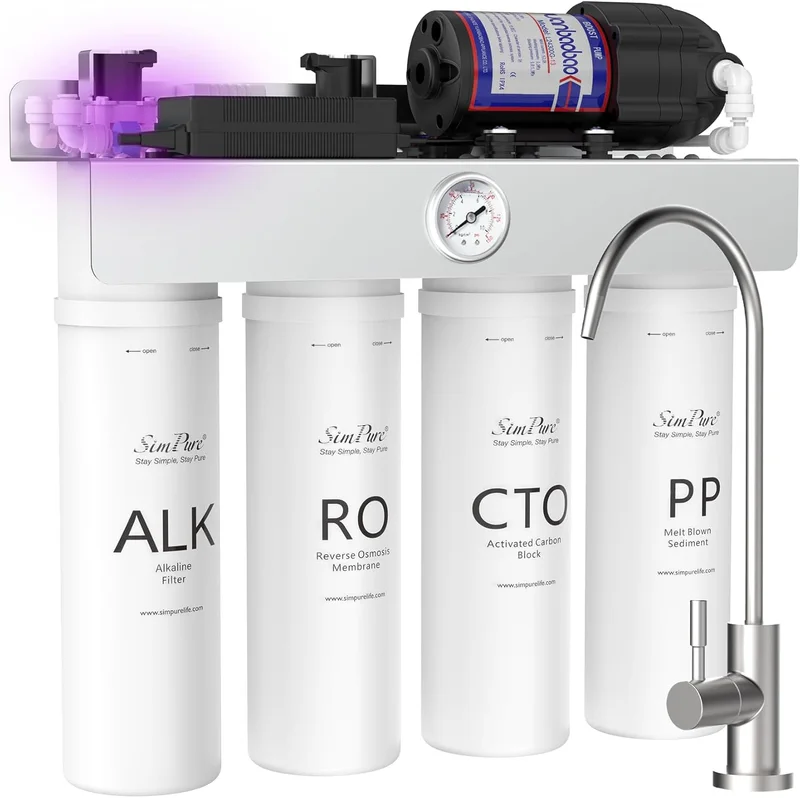
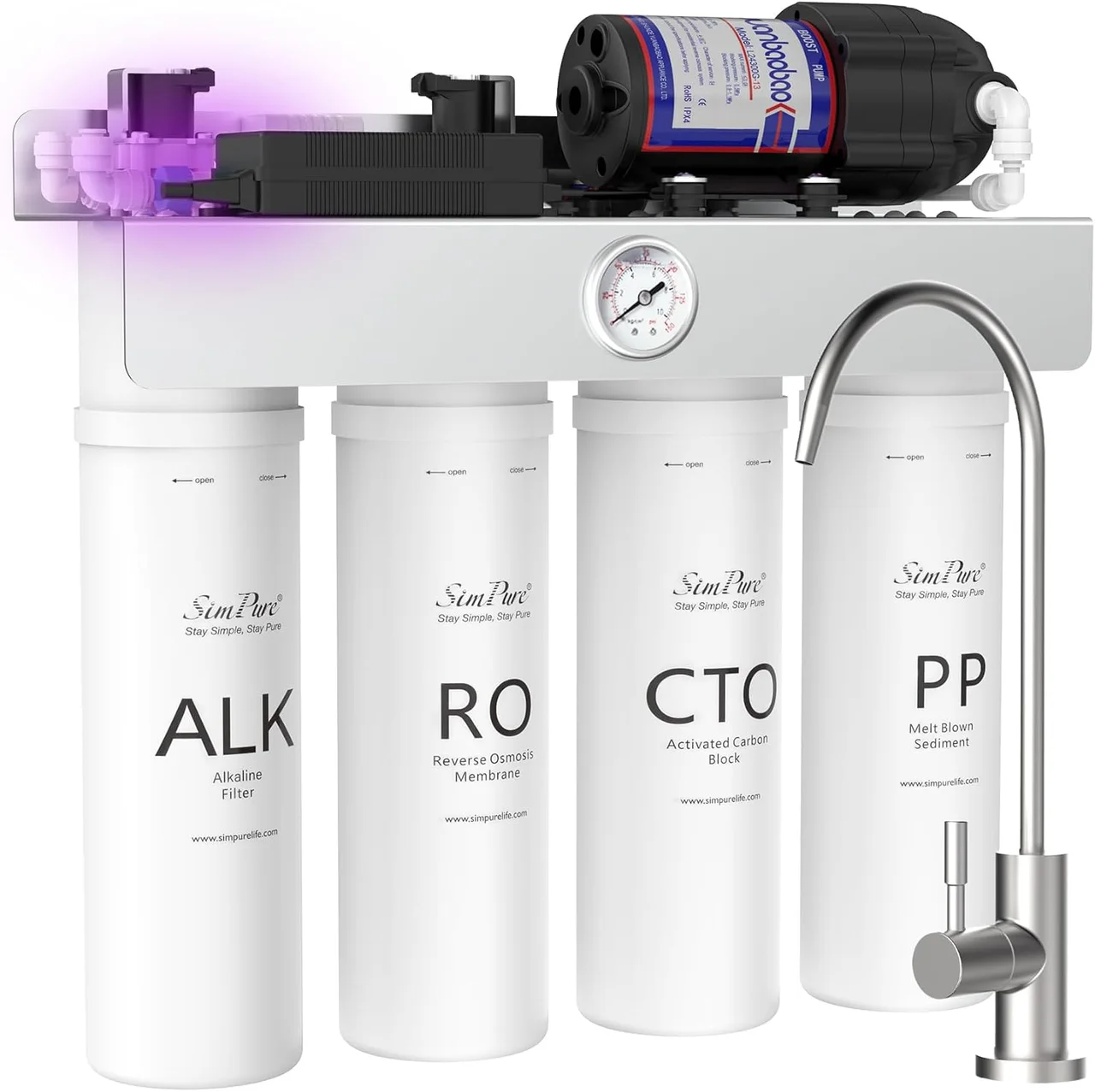
SimPure T1-400 — best countertop RO under $300
For renters and no-plumbing kitchens, the SimPure T1-400 brings real countertop RO — 400 gallons per day, no installation — into the under-$300 bracket. It is the budget entry to the countertop category and an excellent value, though less polished than premium countertop systems. Our countertop guide compares it against the faster, pricier options.
Real-world usage scenarios
- The first RO kitchen. Budget under-sink systems are the classic way into RO water — the taste difference is immediate, and the low filter cost makes the upgrade painless.
- The rental kitchen. The SimPure covers the same purification need without drilling into the landlord’s property.
- The hard-water household. RO removes dissolved solids that leave scale on glassware — the visible difference is a strong selling point.
- The cautious household. If a water test flagged metals or dissolved solids, a certified budget RO addresses them at a fraction of premium-system prices.
Buying advice
Compute the five-year cost, not the sticker price: system price plus filter replacements. The RCC7 and ROES-50 both have famously cheap cartridges, which is what makes them the value leaders. Expect to spend an afternoon on installation, and confirm your kitchen has a faucet hole or drain access. Do not expect smart features, app tracking, or tankless speed at this price — the trade is exactly what this category is about. Seasonal sales commonly discount these systems by 10–20%, and filter bundles are worth grabbing when they appear.
Frequently asked questions
Is a $300 RO system as good as a premium one?
The core purification — the RO membrane — works the same. Premium systems add speed (tankless flow), monitoring, efficiency, and convenience features. For contaminant reduction, a certified budget system covers the same fundamentals.
How much do replacement filters cost?
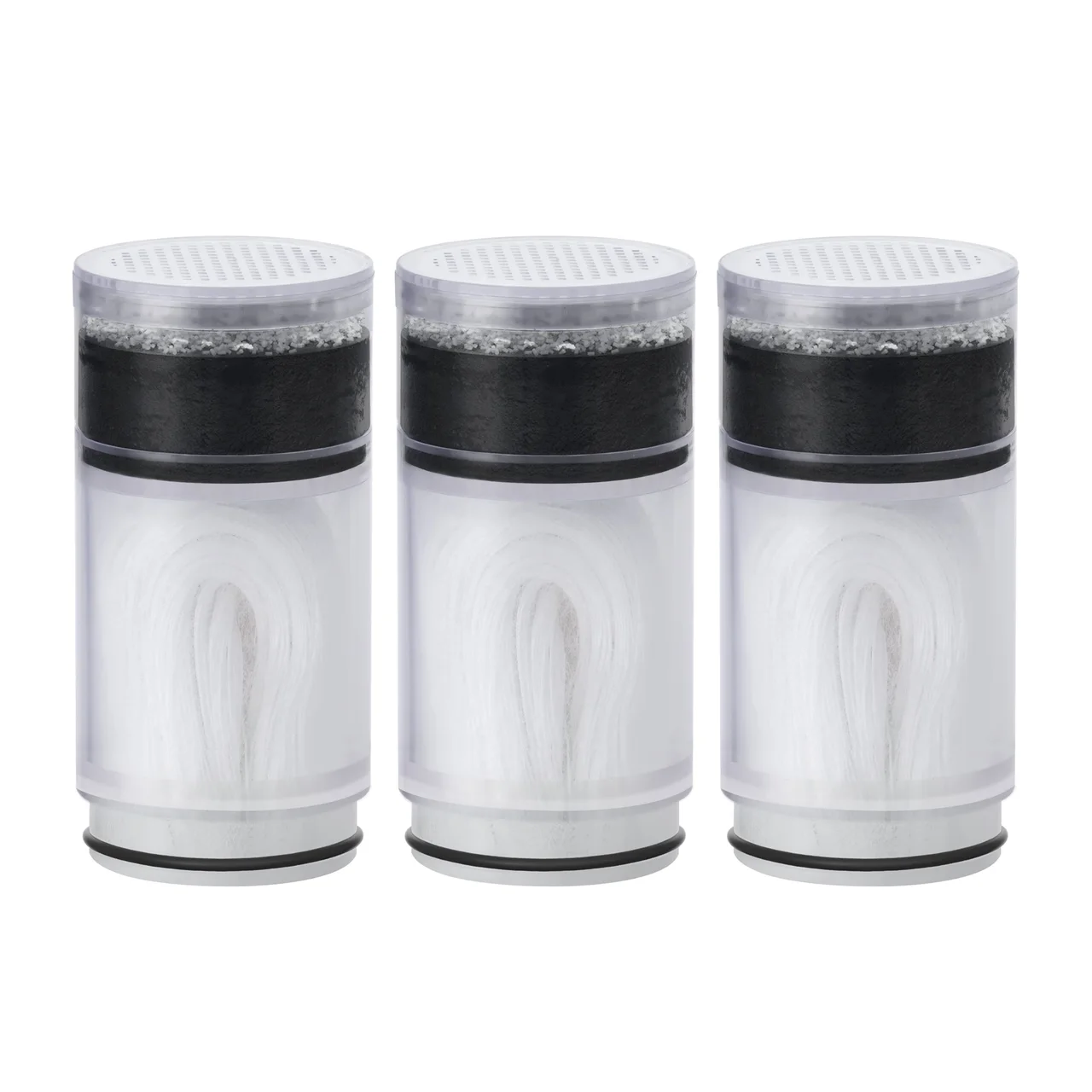
This is where budget systems win: annual filter packs for the RCC7 and ROES-50 are typically inexpensive, and the membrane lasts years. Compare the per-year cost when choosing between systems.
Do I need a plumber to install it?
Most owners install these systems DIY with the included fittings and instructions. You need access to the cold-water line, a drain, and a faucet hole. If that sounds intimidating, a plumber can usually complete it in under an hour.
How much water do they waste?
Older-design systems in this class produce more wastewater per gallon of product than modern tankless models. Exact ratios vary; if efficiency matters, compare published ratios and consider whether the savings justify a pricier system.
Can I install it myself if I rent?
Under-sink systems are not rental-friendly due to the faucet and drain connections. Renters should use the countertop SimPure or see our [no-install guide](/posts/best-no-install-water-filters).