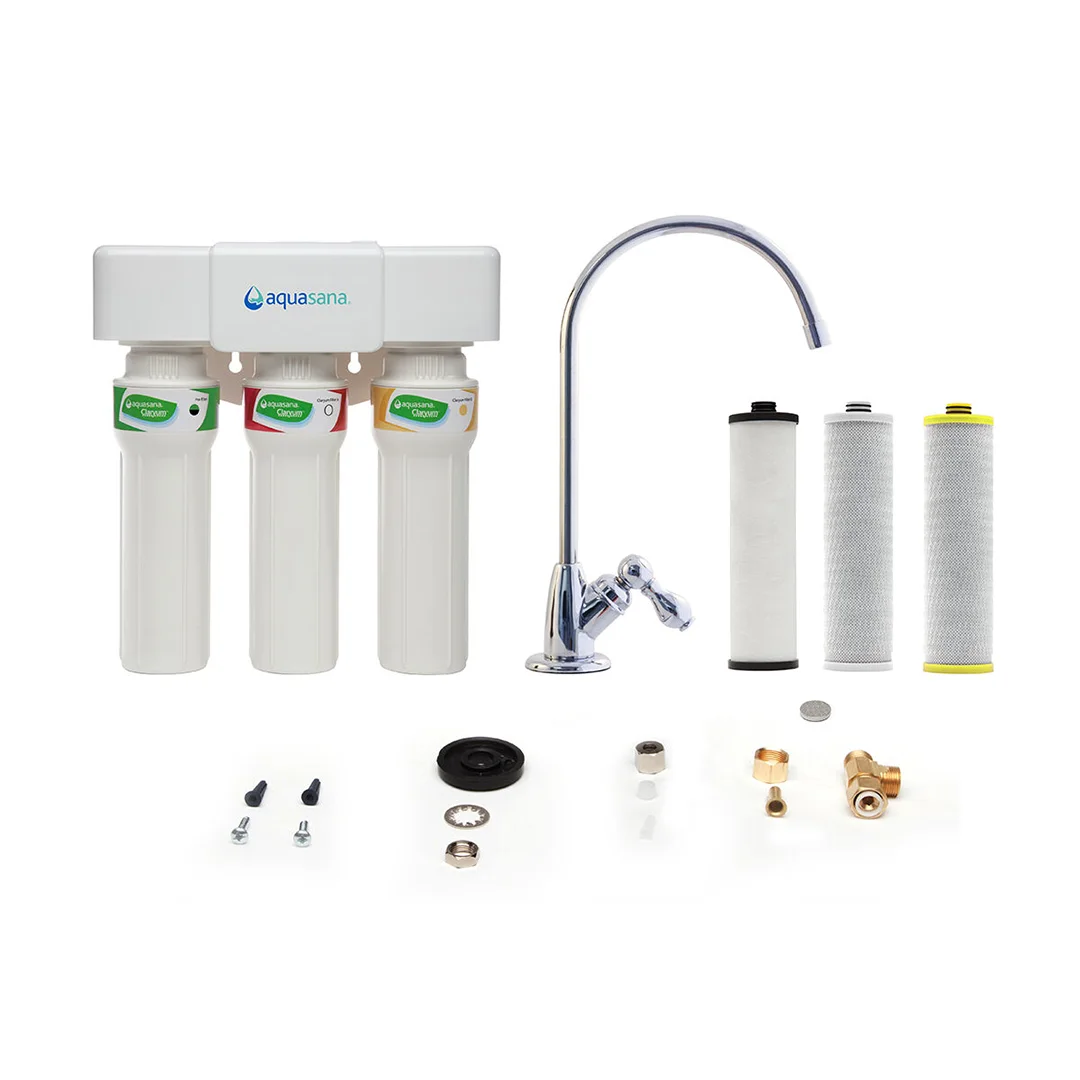
Renters face a water-filter dilemma: the best purification happens under the sink, and landlords do not love holes in cabinets. Countertop reverse osmosis systems solve it by bringing the RO process to the counter — a reservoir you fill with tap water, a system that purifies it, and a dispense tap that needs no plumbing at all.
Here are the countertop RO systems we recommend for no-plumbing kitchens, compared on output, footprint, and what the certifications actually cover.
What to look for
- True RO vs. filtered water. Some “countertop purifiers” are carbon filters in fancy cases. Make sure the system actually runs water through a reverse osmosis membrane — the spec sheet should say so explicitly.
- Output speed. Countertop systems range from slow trickle to fast 400-gallon-per-day pumps. If you refill bottles daily, speed is worth paying for.
- Reservoir design. Some systems purify a full tank at once; others make water on demand. Think about your daily volume and whether the reservoir size matches it.
- Installation zero-touch. The whole point is no drilling. Check that setup is just fill, plug in, and go.
- TDS monitoring. A built-in TDS (total dissolved solids) display shows the system is actually removing minerals — a useful reality check for any RO system.
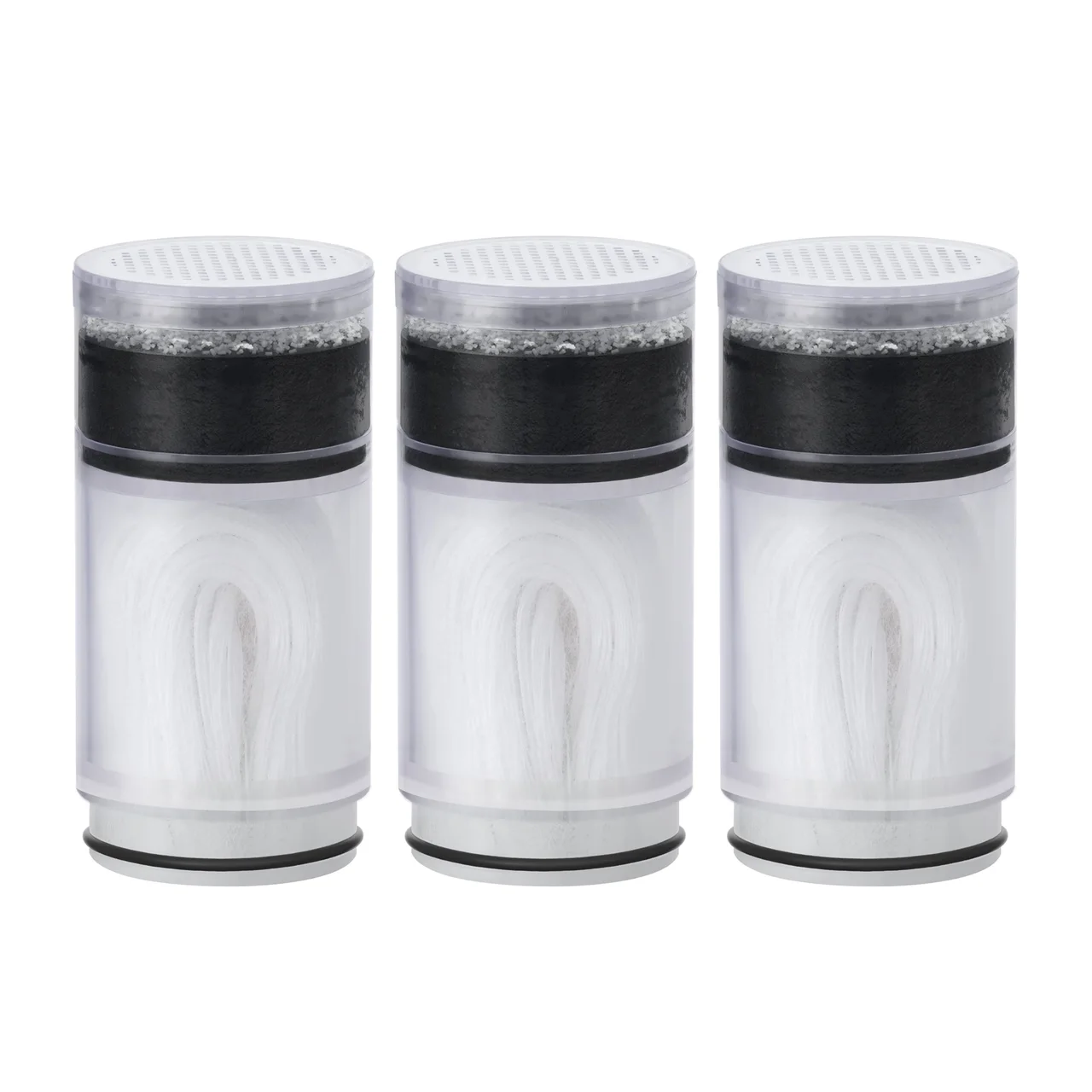
- Filter and maintenance costs. Countertop RO filters need replacing; compare cartridge prices and availability before committing.
The picks
Waterdrop K19 — best overall countertop RO
The Waterdrop K19 is the countertop RO we recommend to most renters: 400 gallons per day output, a touch display with TDS monitoring, and a no-install design that sits on the counter with a refillable reservoir. It delivers the purification depth of under-sink RO without the plumbing, and its speed keeps up with a family’s daily refills. The tradeoffs are counter space and a refill routine — you top up the reservoir rather than getting infinite tap water.
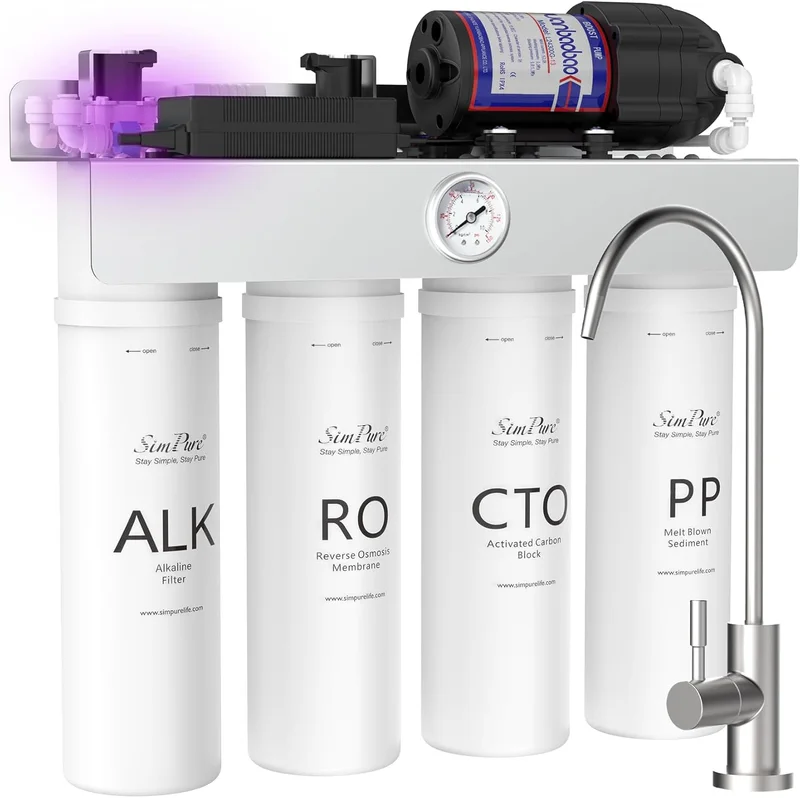
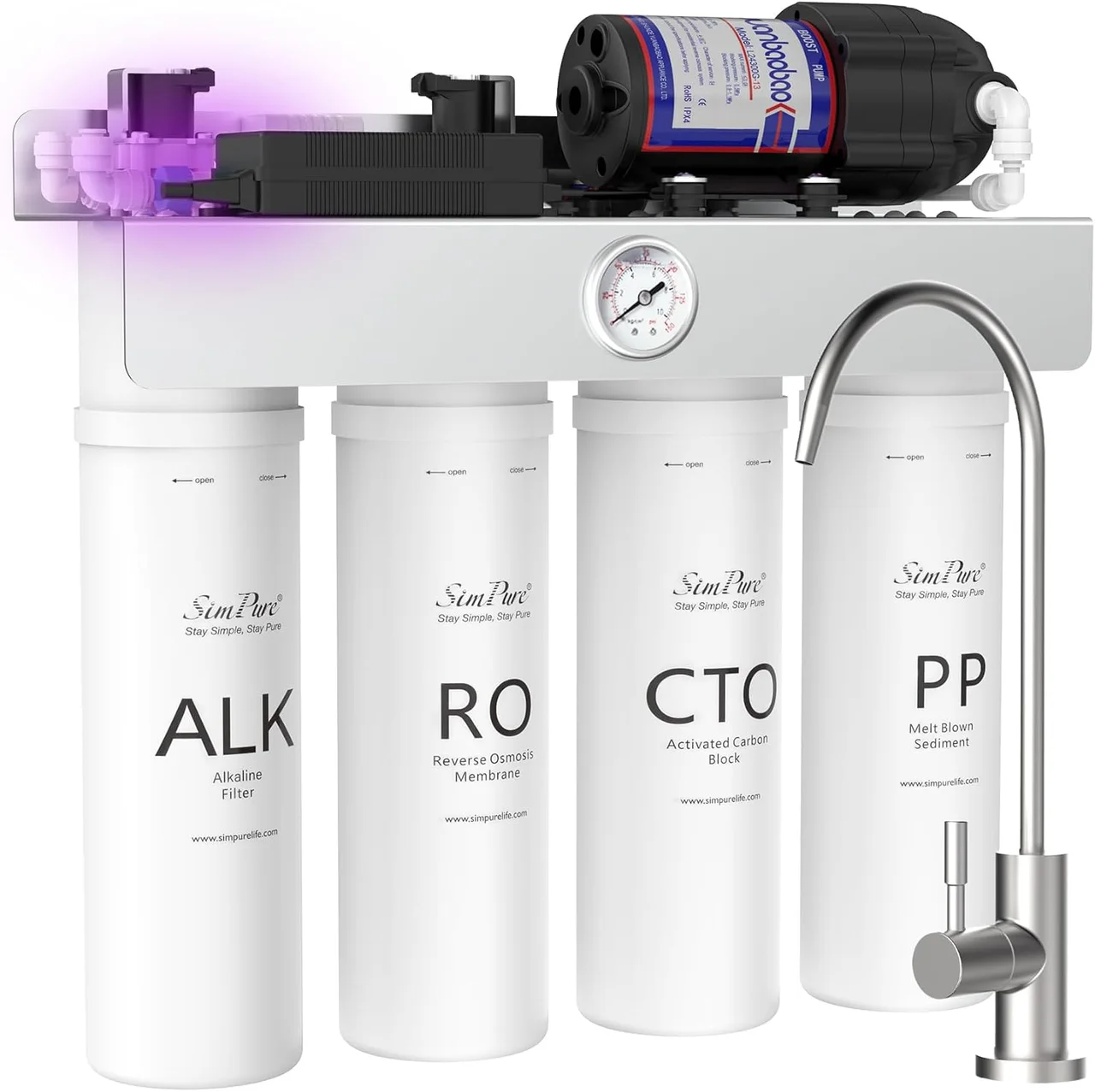
SimPure T1-400 — best budget countertop RO
The SimPure T1-400 covers the same core promise — real countertop RO, no installation, 400 gallons per day — at a friendlier price. Its display shows filter life and readings, and setup takes minutes. It is less polished than the K19 and the app experience is basic, but for budget buyers who want genuine RO purification without a landlord conversation, it is the value pick.
AquaTru Countertop — best certified countertop RO
For households that want third-party-certified claims, the AquaTru Countertop is the most defensible option: a four-stage RO with carbon block, NSF-certified reduction claims, automatic shutoff, and filter alerts per its published specifications. It is slower than the pumped competitors and has a larger footprint, but when certifications matter — for health concerns or peace of mind — AquaTru is the countertop system to choose.
Real-world usage scenarios
- The apartment kitchen. A countertop system replaces the pitcher and the bottled-water habit with genuinely purified water, and it moves with you when the lease ends.
- The dorm room or small office. A compact countertop RO on a shelf or mini-kitchen counter gives you filtered water without maintenance staff involvement.
- The short-term rental or AirBnB setup. If you furnish places for guests, a no-install purifier is a safer upgrade than drilling into someone else’s cabinets.
- The kitchen with no under-sink space. Even homeowners with cramped plumbing can get RO water on the counter.
Buying advice
Decide how much water you actually consume. A fast pumped system is worth its premium if you fill bottles several times a day; lighter users can save with the AquaTru or a mid-range model. Check the reservoir capacity against your habits — refilling twice a day is fine, five times is a chore. Budget for filter replacements from day one, and verify that replacement cartridges are in stock for the brand you choose. Seasonal sales on countertop systems are common, and bundles with spare filters are usually the best value.
Frequently asked questions
Is countertop RO as good as under-sink RO?
The purification process is the same — water passes through a reverse osmosis membrane. Countertop systems differ mainly in convenience: you refill a reservoir instead of drawing from the tap, and they take counter space.
How much water do they waste?
RO systems produce some wastewater; modern countertop units publish efficiency ratios similar to under-sink models. Exact ratios vary by model and incoming water quality — check the specification sheet for the number.
Can I move it between kitchens?
Yes — that is the main advantage. Countertop systems are self-contained, so they travel with you between apartments or to the office without any plumbing work.
How often do filters need replacing?
Typically every 6–12 months for pre-filters and 1–3 years for the RO membrane, depending on usage and water quality. Systems with TDS displays and filter-life indicators remove the guesswork.
Do countertop systems remove fluoride or heavy metals?
RO membranes reduce a wide range of dissolved contaminants, and certified models publish exactly which ones are tested. Check the system's certification and contaminant list against your specific water concerns.