Walk down the alarm aisle at any hardware store and you will see the same two names competing: Kidde and First Alert. Both have been protecting homes for decades, both are certified to the same safety standards, and both make excellent alarms — so how do you choose? The honest answer is that brand matters less than matching the right model to each room, but there are real differences in features, pricing, and ecosystem.
The short verdict: for most households, First Alert’s SC7010BV combination alarm and Kidde’s sealed-battery smoke units are both excellent, and the best choice depends on whether you value First Alert’s voice-alert combos or Kidde’s straightforward value. Neither brand is a wrong answer.
Winner by scenario
| Factor | Kidde | First Alert |
|---|---|---|
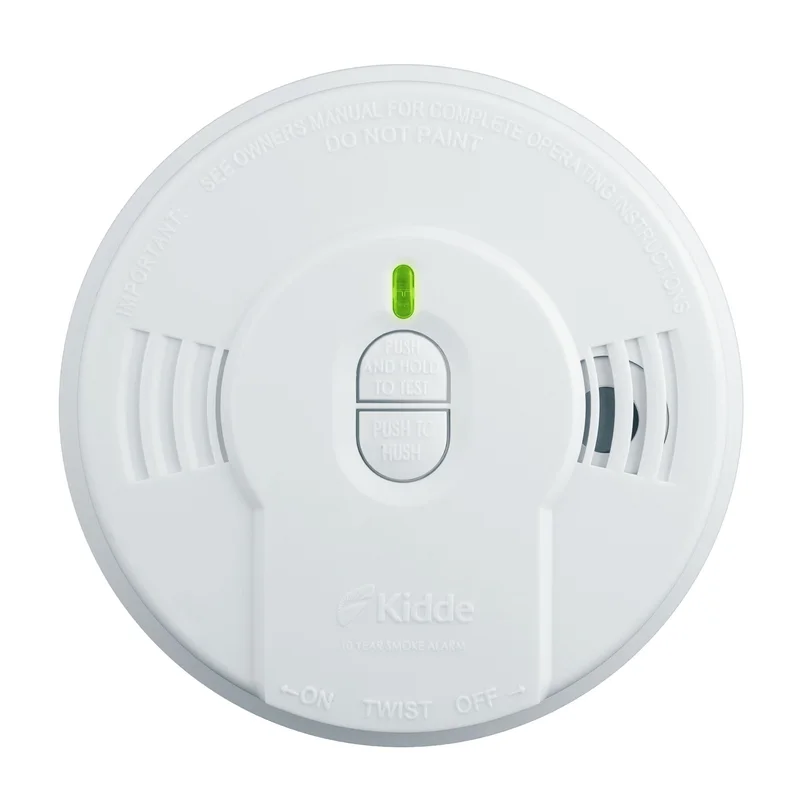
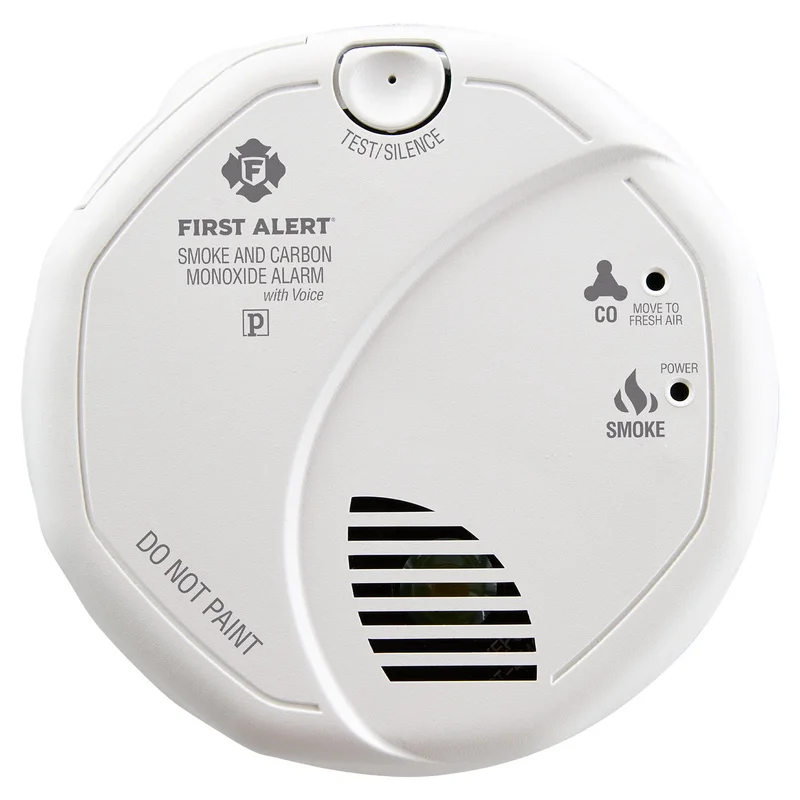
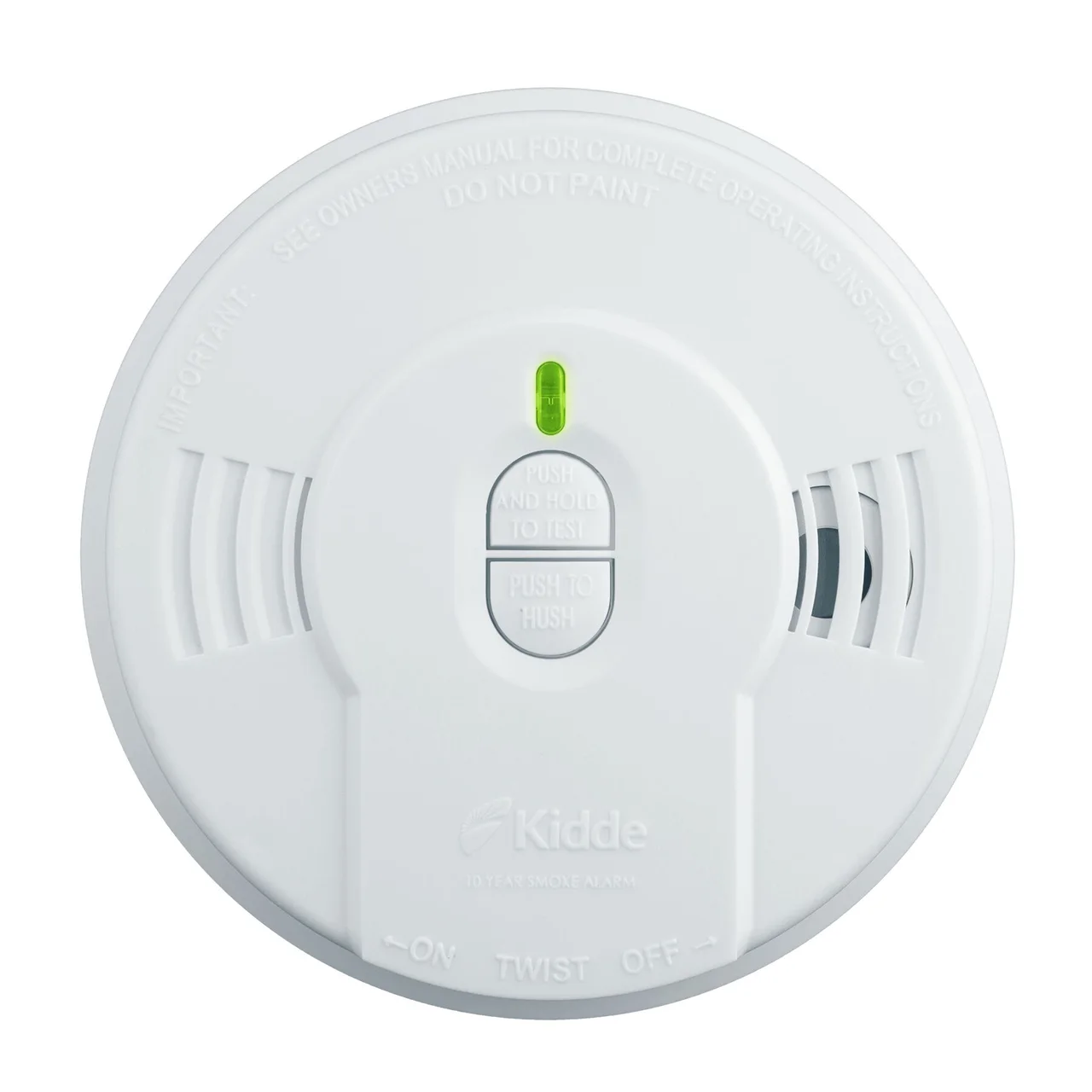
| Best-known sealed smoke alarm | Kidde i9010 (photoelectric, 10-year battery) | SC7010BV (combo smoke + CO, voice alerts) |
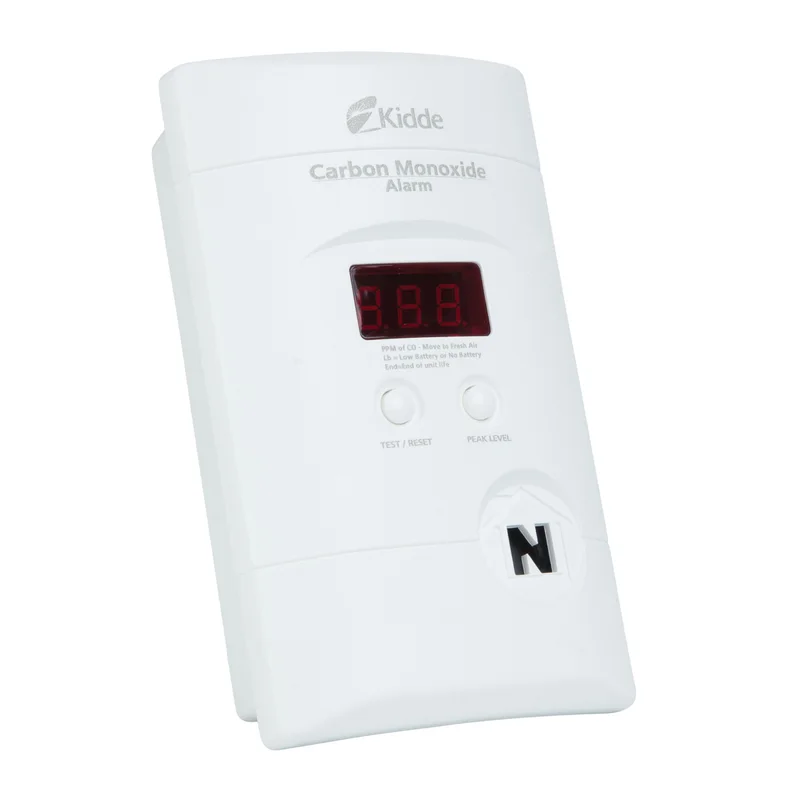
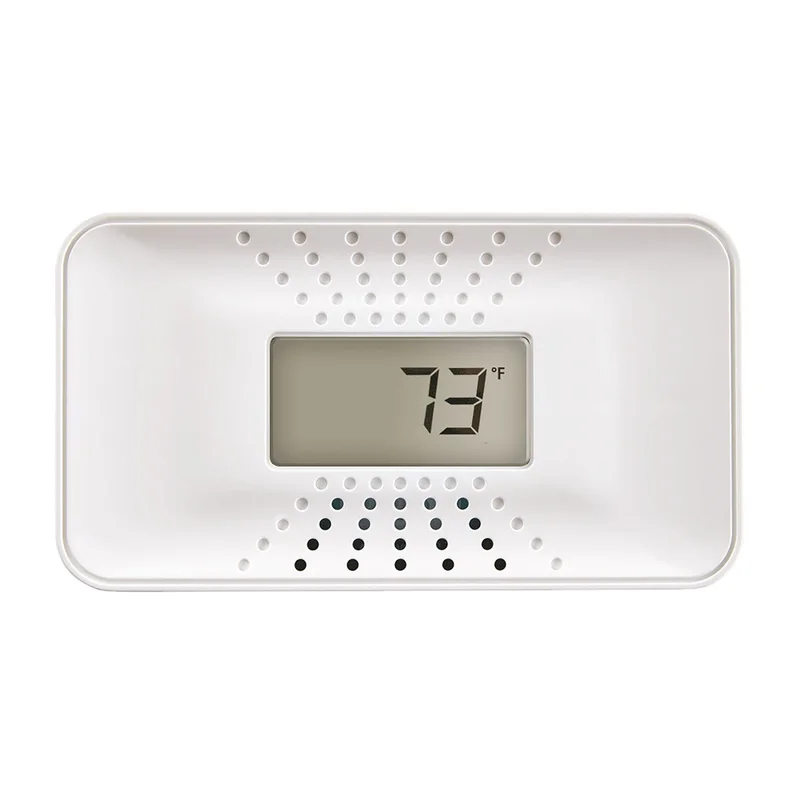
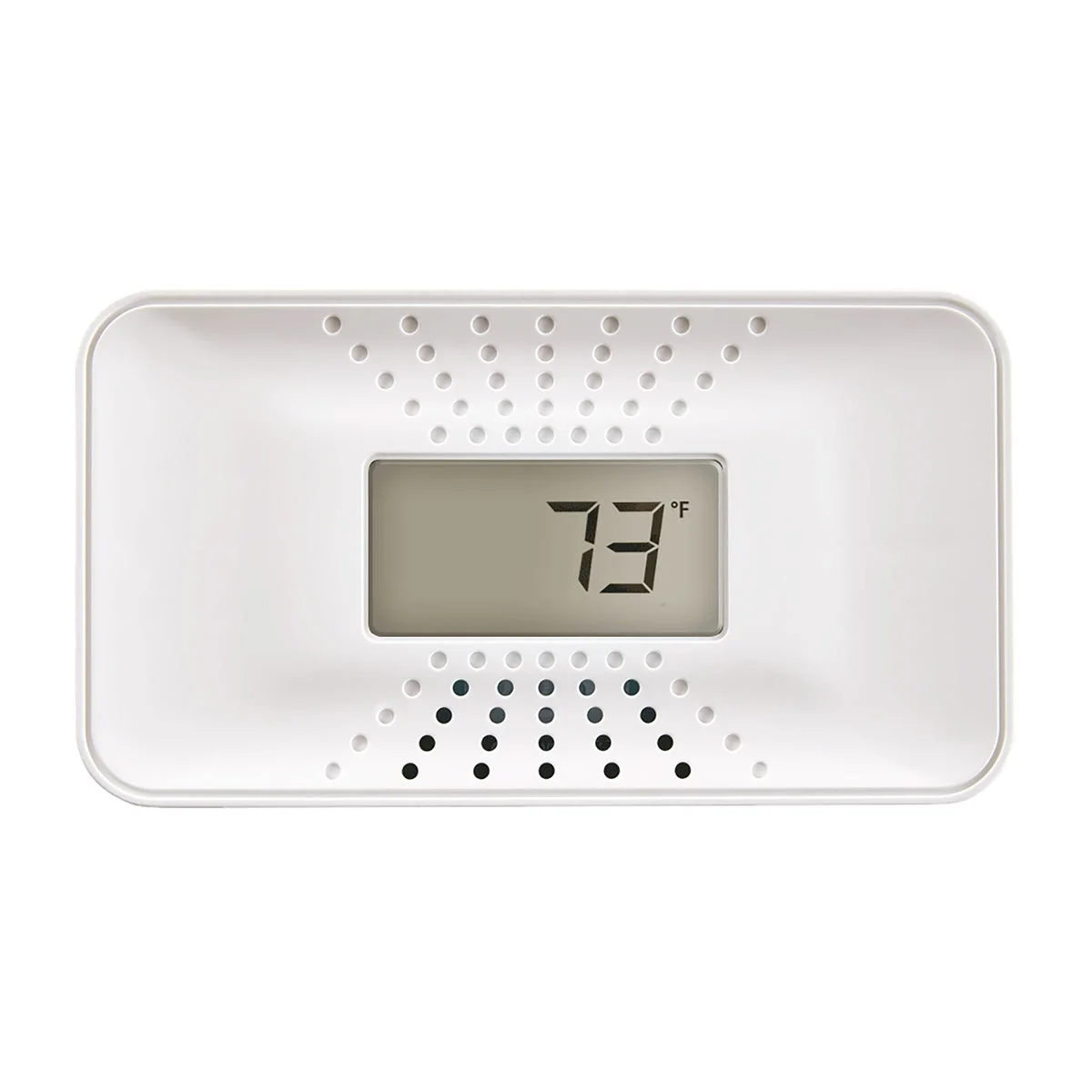
| Best plug-in CO alarm | Nighthawk KN-COPP-3 (peak-level memory) | CO710 (digital display, sealed 10-year battery) |
| Combination smoke + CO | Limited basic combos | Strong lineup, voice-alert combos |
| Smart features | Limited across home lineup | Nest Protect line (Google) |
| Price positioning | Value-focused, often cheaper | Slightly broader premium options |
| Sensor variety | Photoelectric and ionization models | Photoelectric, dual-sensor, and smart options |
Where each option wins
Kidde wins on value and simplicity. The i9010 is a benchmark sealed-battery smoke alarm at a price that makes whole-home coverage painless, and the Nighthawk KN-COPP-3’s peak-level memory is a genuinely useful CO feature. For budget-minded households outfitting several rooms, Kidde’s lineup stretches further per dollar.
First Alert wins on combination units and voice alerts. The SC7010BV pairs smoke and CO detection with voice announcements in a hardwired design with battery backup — the alarm tells you what is happening instead of making you guess between beep patterns. First Alert’s relationship with the Nest Protect line also gives it the smart-alarm advantage for connected households.
Tradeoffs
The main tradeoff is ecosystem consistency. Mixing brands is perfectly safe — all certified alarms work independently — but interconnected systems usually require same-brand, same-family models. If you want wireless interconnection across the house, pick one brand and one product family and stick with it. Smart buyers should also note that First Alert’s smart tier (Nest Protect) has a very different price and feature profile than its basic alarms, so “First Alert” is really two product philosophies under one name.
Which one should you buy
Choose Kidde if you are outfitting multiple rooms on a budget and want dependable sealed-battery smoke alarms plus a plug-in CO alarm with peak memory. Choose First Alert if you want combination smoke-and-CO units with voice alerts, or if you plan to build a smart-alarm system around the Nest Protect. For most homes, a sensible mix is: Kidde i9010 units in bedrooms, a First Alert SC7010BV combo in the hallway, and either brand’s CO alarm near sleeping areas — but if interconnection matters, commit to one family.
Frequently asked questions
Can I mix Kidde and First Alert alarms in one home?
Yes — independent certified alarms work alongside each other. The exception is interconnected systems, which typically require compatible models from the same brand and family.
Which brand is more reliable?
Both brands' certified alarms meet the same recognized safety standards and have decades of deployment. Reliability differences between comparable models are minor; installation quality and maintenance matter more than brand.
Do both make 10-year sealed-battery alarms?
Yes — both offer sealed 10-year-battery smoke alarms, and First Alert adds hardwired combination smoke/CO units with voice alerts like the SC7010BV.
Which brand has better smart alarms?
First Alert's ecosystem includes the Google Nest Protect, the best-known smart smoke and CO alarm; Kidde's smart options are more limited. If phone alerts matter, the Nest Protect is the standout.
Does brand affect warranty or support?
Both brands offer limited warranties and consumer support, with details varying by model. Check the specific product's warranty terms — this is where the two brands differ more than on alarm performance.