Most homes need smoke detection in several rooms and CO detection near sleeping areas — and for the overlap zones, a combination alarm covers both from a single ceiling mount. One install, one battery decision, one alarm to maintain: for the hallway outside bedrooms or a main-floor living area, combination units are the efficient answer.
Here are the combination smoke and CO detectors we recommend, from sealed-battery basics to smart units that speak and phone you.
What to look for
- Dual certification. The unit must be certified for both smoke detection and CO detection — verify both hazards are covered, not just advertised.
- Sensor types. Photoelectric smoke sensing (fast on smoldering fires) plus an electrochemical CO sensor is the combination to look for.
- Sealed 10-year battery. In a combo unit, a sealed battery ends the “which beep means what” maintenance dance for a decade.
- Voice alerts. Units that announce “smoke” or “carbon monoxide” rather than beeping ambiguity are a major upgrade for nighttime responses.
- Interconnection and smart features. Wireless interconnection spreads the alarm across the house; Wi-Fi adds phone alerts and self-tests.
- End-of-life signaling. Combo units expire — make sure the model clearly signals replacement time.
The picks
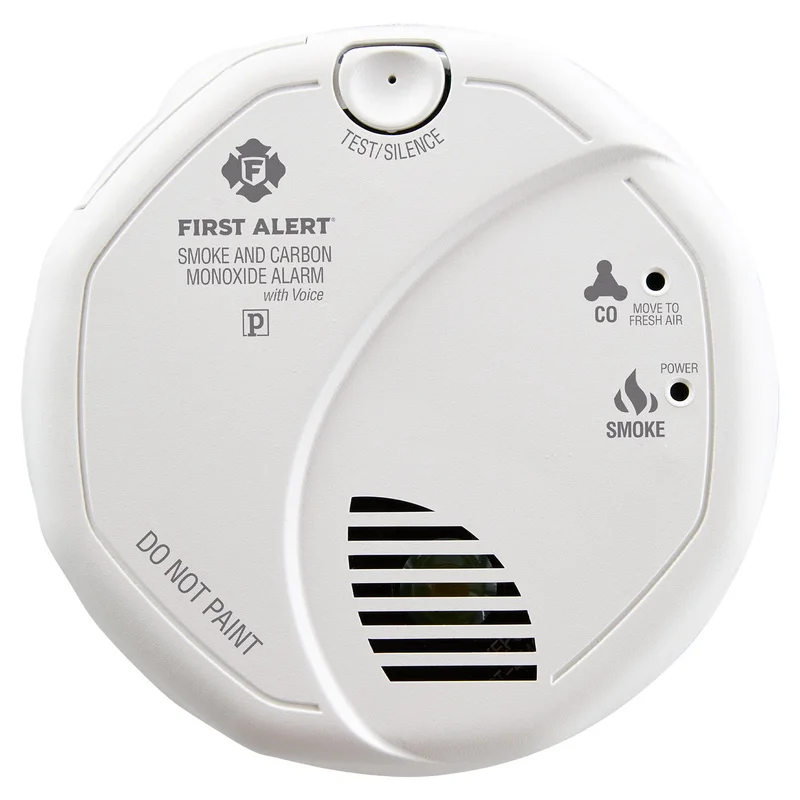
First Alert SC7010BV — best hardwired combination alarm with voice alerts
The First Alert SC7010BV is the default recommendation for most homes: a hardwired combination smoke and CO alarm with battery backup, photoelectric smoke sensing, and voice alerts that state which hazard is present. It is the rare unit that pairs “install once and stop worrying” with genuinely better alarm communication. It lacks smart features, but for dependable dual protection at a sensible price, it is the pick.
Google Nest Protect — best smart combination alarm
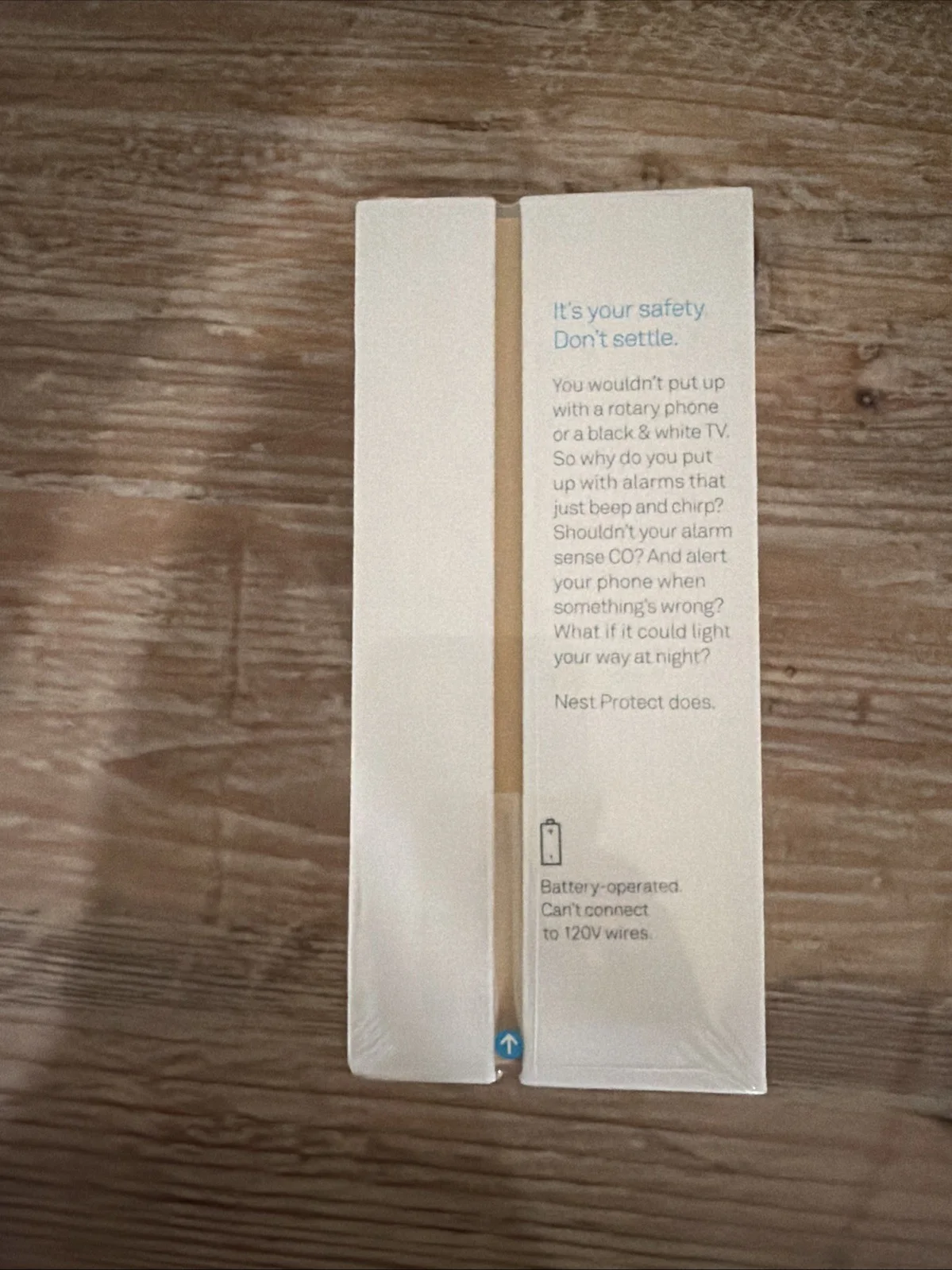
The Nest Protect is the premium smart option: split-spectrum smoke sensing, an electrochemical CO sensor, voice alerts, automatic self-tests, phone notifications, and a built-in nightlight — all in a single ceiling unit. It checks itself and tells you what it found, and its app history turns “did the alarm go off?” into a verifiable record. The price and Wi-Fi dependency are real tradeoffs, but for connected households it is the most capable combination alarm we cover.
Real-world usage scenarios
- The hallway outside bedrooms. The classic combo zone: smoke protection for the house and CO protection where sleeping people need it most, from one mount.
- The main-floor living area. Open-plan kitchens and gas fireplaces put both hazards in one room — a combo unit covers both without cluttering the ceiling.
- The vacation property. A smart combo unit like the Nest Protect reports from anywhere, so a chimney backdraft becomes a phone notification instead of a mystery.
- The new homeowner setup. One sealed-battery combo unit per floor plus bedroom units is a simple, defensible starting kit.
Buying advice
Count your zones before buying: one combo unit per floor, inside bedrooms, and outside sleeping areas is the common pattern. Where smoke-only coverage suffices (far from sleeping areas in all-electric homes), a cheaper dedicated smoke alarm saves money. Sealed-battery combos cost more upfront and less over a decade — the same math that makes them the value pick. If you buy smart units, budget for the Wi-Fi dependency and consider a basic backup alarm for outage scenarios.
Frequently asked questions
Are combination alarms as good as separate ones?
Quality combination units carry certifications for both smoke and CO detection and are suitable for most home zones. Separate units remain useful where you want redundancy or different sensor types in the same area.
Where should combination alarms go?
The same placement rules apply: on every level, inside and outside sleeping areas, and away from kitchens and bathrooms where nuisance alarms are common. Follow the manufacturer's installation guidance for distance from cooking appliances.
How long do they last?
Sealed-battery combination units are typically rated for 10 years, after which the entire unit is replaced. The alarm signals end of life with a distinct beep pattern.
Can they interconnect with smoke-only alarms?
Interconnection depends on the brand and model — some wireless families interconnect combo units with smoke-only units, while hardwired systems follow wiring standards. Check compatibility before mixing models.
Do smart combo alarms work during outages?
Sealed-battery units keep detecting during power outages; smart features like phone alerts pause if the internet or hub is down. The alarm itself still sounds locally.