Home safety is not a product category — it is a routine. The difference between a protected home and a vulnerable one is usually not the equipment, but whether the equipment is installed, charged, dated, and tested. This 12-point checklist walks through everything a homeowner can verify in a single afternoon, with no tools beyond a ladder, a notepad, and a phone.
What you’ll need
- A step stool or ladder
- A notepad (or your phone)
- New batteries if your alarms take replaceable ones
- A flashlight
- A few minutes per room
Step-by-step
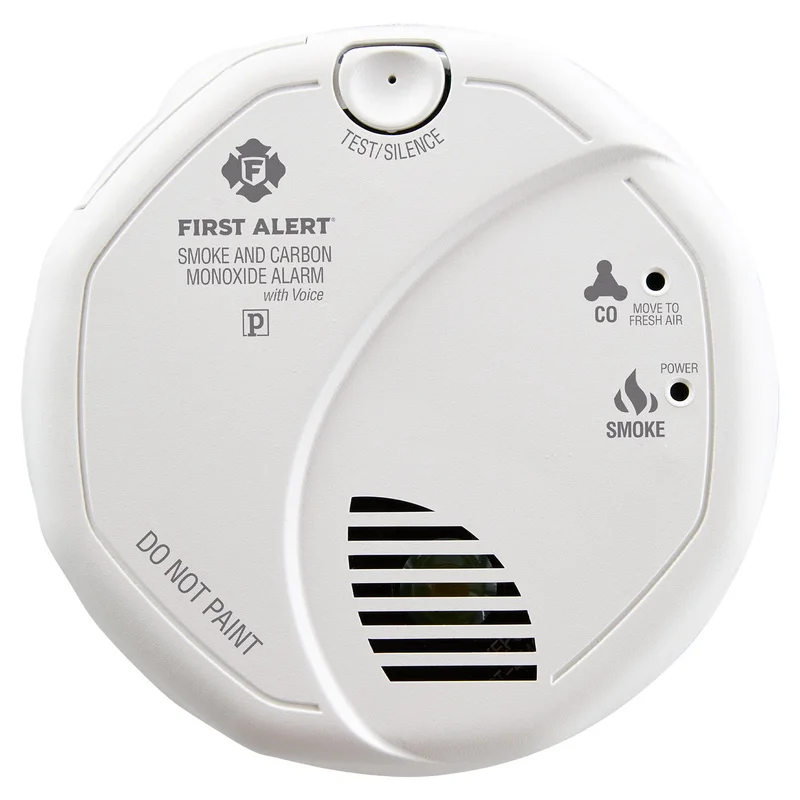
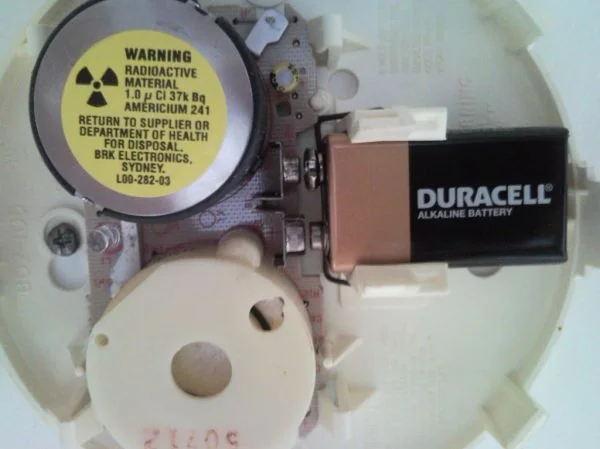
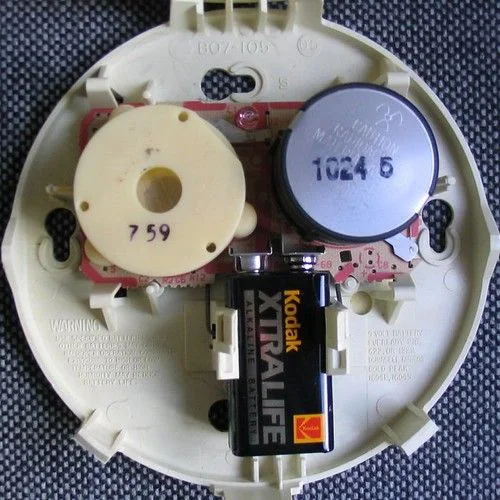
- Test every smoke alarm. Press the test button on each unit and confirm it sounds loudly. Replace batteries for any unit that hesitates, and replace units past their end-of-life date (printed on the alarm).
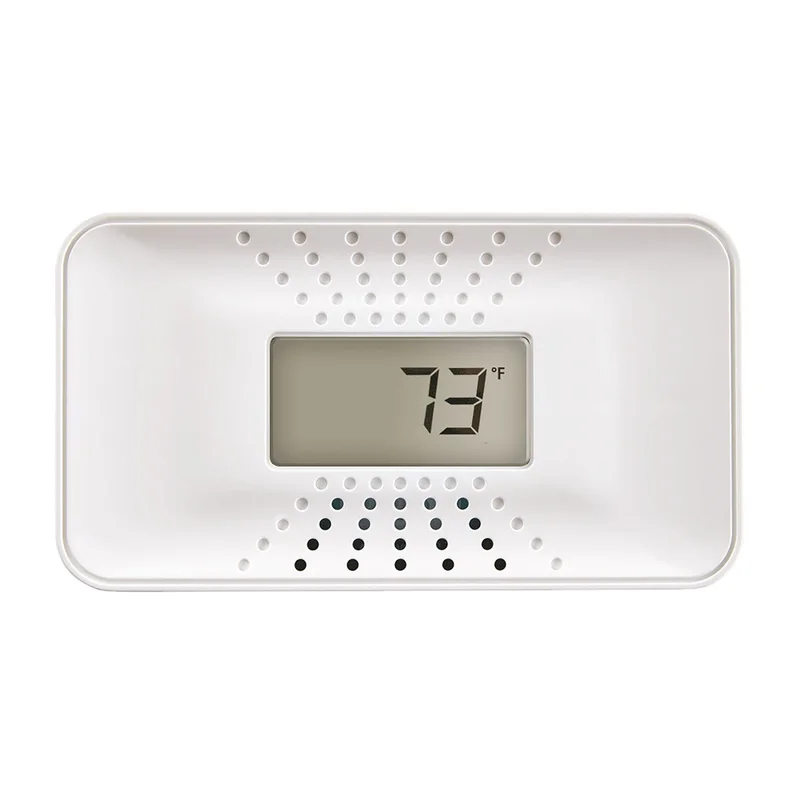
- Test every CO alarm. Same routine — and know your unit’s power type, whether plug-in, hardwired, or sealed-battery. The First Alert CO710 pattern works for most units.
- Confirm alarm coverage. Standard guidance: one alarm on every level, inside each bedroom, and outside sleeping areas. If any zone is missing, that is your shopping list.
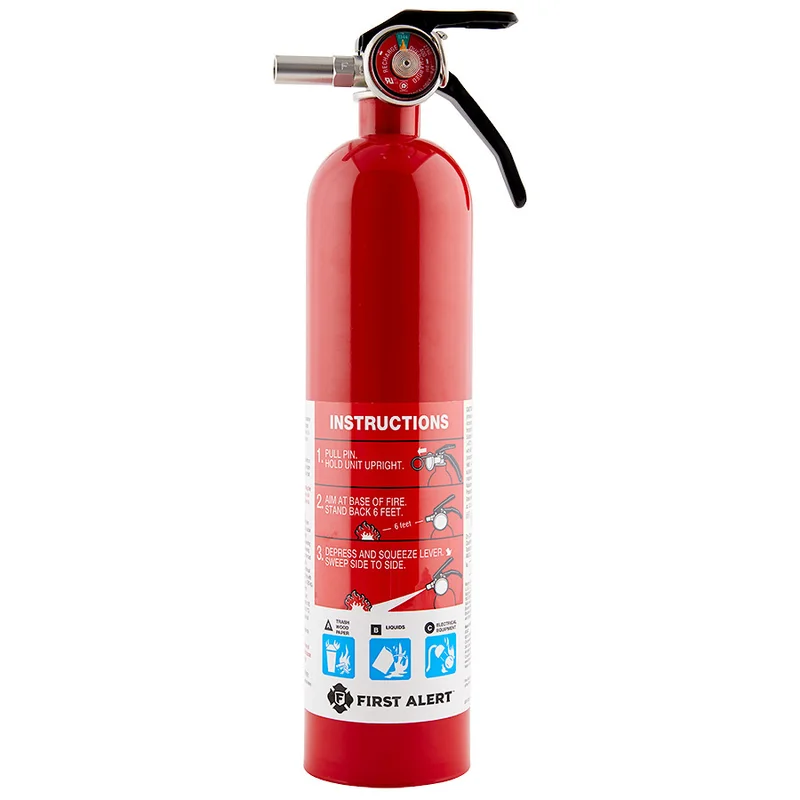
- Check the fire extinguisher. Verify the pressure gauge is in the green, the pin is intact, and the unit is within reach of the kitchen and garage. If it is expired or damaged, replace it.
- Inspect the kitchen. Look under the sink for drips, check that the stove and oven are clean of grease buildup, and confirm nothing flammable sits above the burners.
- Run the water-leak sweep. Check under every sink, behind the toilet, beside the water heater, and behind the washing machine for moisture, rust, or bulging hoses. Touch supply lines for dampness.
- Test water leak sensors. If you have leak sensors deployed, press their test buttons and check battery status in the app.
- Check the water heater and HVAC. Look for rust at the tank base, listen for unusual noises, and confirm the pressure relief valve is not leaking. Replace the air filter if it is dirty.
- Verify electrical basics. Test GFCI outlets in kitchens, bathrooms, and garages with the test/reset buttons, and check that surge protectors’ indicator lights are on.
- Check windows and doors. Confirm locks work, and that egress windows in bedrooms open easily — this is the fire-escape path, not a convenience feature.
- Review the fire escape plan. Walk the two-exits-from-every-room plan with the household, pick the meeting point, and practice it once.
- Schedule the seasonal tests. Radon screening (a test kit every couple of years or after renovations), dryer vent cleaning, and chimney inspections if you burn fuel.
What results mean
Any alarm that fails its test, any extinguisher out of the green, any damp supply line, or any GFCI that does not trip is a finding — not a suggestion. Fix or replace those items this week. Items that pass are your baseline; log the date so next year’s sweep is a comparison, not a fresh investigation. The goal of the checklist is not perfection on day one, but a defensible baseline you can maintain.
When to call a professional
Call a professional for anything structural or dangerous that the checklist surfaces: persistent moisture behind walls or under fixtures (possible hidden leaks), a water heater or furnace showing corrosion or odd behavior, electrical panels or outlets that feel warm, or any smoke or CO alarm that alarms without explanation. Chimney and dryer-vent cleaning are professional jobs. And if your radon test returns elevated, a mitigation contractor is the next call — this checklist is the screening, not the cure.
Frequently asked questions
How often should I run this checklist?
Twice a year is a practical rhythm — once at daylight-saving time changes or at the start of heating season, once before summer travel. The time-change pattern works because it is hard to forget.
How do I know when alarms are expired?
Most alarms print a manufacture or end-of-life date on the back. Sealed-battery units beep when they expire; older units should be replaced after about 10 years from manufacture.
What is the right fire extinguisher for a kitchen?
A kitchen-rated unit (like the [First Alert HOME1](/posts/best-home-fire-extinguishers)) handles cooking fires; a multi-purpose unit with a broader rating covers garages and workshops. Check the rating against the fire types in each room.
Do GFCI test trips mean something is wrong?
If a GFCI trips on test and resets, it is working. If it does not trip, the outlet is faulty and should be replaced — GFCI protection is a shock-safety feature, not optional.
What should be in a fire escape plan?
Two exits from every room, a designated meeting point outside, and a practiced routine for smoke-filled conditions (stay low, check doors for heat). Practice it with the whole household at least once.