Radon is responsible for more lung-cancer deaths among non-smokers than any other single factor, according to the US EPA — yet it is invisible, odorless, and absent from most people’s home-buying checklist. The fix is cheap and definitive: a test kit that measures the gas in your lowest living space and sends the sample to a lab for analysis. The kit costs less than a tank of gas; the information can drive a mitigation decision that costs far more if missed.
Here are the radon test kits we recommend, from first-time screening to transaction-grade analysis.
What to look for
- Lab analysis included. The kit’s value is the lab report, not the charcoal. Confirm the price includes analysis and postage.
- Test type. Short-term tests (2— days) give a snapshot for screening and transactions. Long-term tests (90+ days) average seasonal variation — the better basis for a mitigation decision.
- Lab accreditation. Results from an accredited lab carry weight in real-estate and health contexts.
- Instructions clarity. Radon tests are protocol-sensitive: closed-house conditions, correct placement, exact exposure time. Clear instructions protect the validity of your result.
- Turnaround. Lab results take days; plan around deadlines if the test is for a closing.
The picks
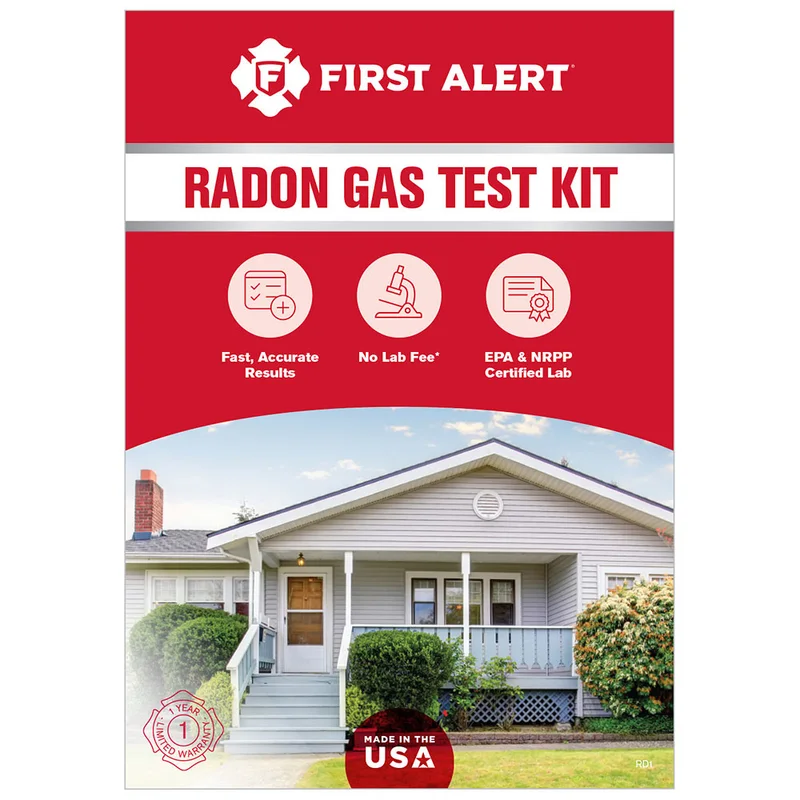
First Alert RD1 Radon Test Kit — best easy first test
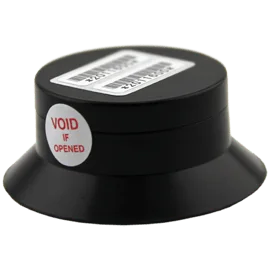
The First Alert RD1 is the classic entry point: a charcoal-based short-term test you hang in the lowest occupied level, expose per the instructions, and mail to the lab — with analysis included in the price. It is inexpensive, widely available, and simple enough that the hardest part is remembering to send it. The result is a snapshot; for ongoing tracking, pair it with a continuous monitor.
AccuStar Radon Test Kit — best lab-grade short-term test
The AccuStar kit is the pick for home inspections and purchase decisions: lab-analyzed methodology, clear instructions, rapid turnaround, and a report that carries weight when it matters. It costs more than consumer kits, but for a transaction where the result influences a deal, the accredited analysis is the point. Inspectors commonly use this class of kit.
Real-world usage scenarios
- The home purchase. A short-term radon test during the inspection period is standard due diligence — run it closed-house in the lowest livable level and factor the result into the deal.
- The first-time homeowner. After closing, a follow-up test (and ideally a long-term test) establishes your real baseline beyond the inspection snapshot.
- The worried renter or homeowner. Peace-of-mind screening every couple of years is cheap insurance in high-radon regions.
- Post-mitigation verification. After a mitigation system is installed, a test verifies the fix — and a continuous monitor keeps watching afterward.
Buying advice
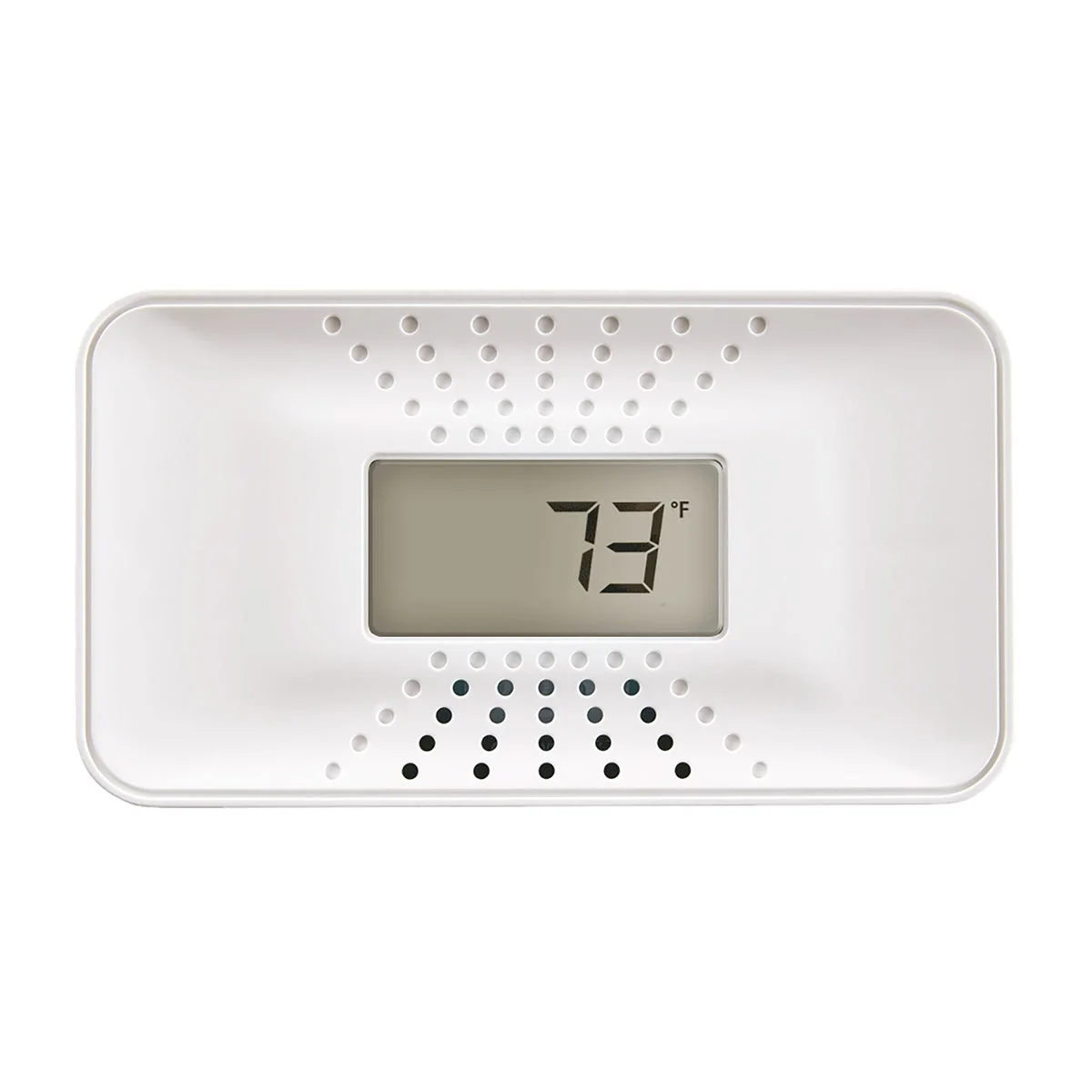
Run a short-term test first; if levels approach the action threshold, follow with a long-term test before making a mitigation decision. Match the kit to the stakes: the budget kit is fine for screening, but a transaction or health decision justifies the accredited option. Always read the instructions — a test run with open windows is a wasted test. If you want year-round data after the kit, budget for a continuous radon monitor, which complements lab results rather than replacing them.
Frequently asked questions
How long should the test run?
Short-term tests typically run 2— days under closed-house conditions; long-term tests run 90 days or more. Follow the kit's instructions exactly — the exposure window is part of the methodology.
What radon level is considered actionable?
The US EPA recommends action at 4 pCi/L (148 Bq/m³) and suggests considering mitigation between 2 and 4 pCi/L. Other countries use different thresholds — check the guidance for your region.
Can I test during a home inspection?
Yes — short-term kits are commonly run during the inspection period, with sellers instructed to maintain closed-house conditions. Coordinate with your inspector and agent on timing and windows.
What if my test is elevated?
Confirm with a second test, then contact a qualified radon mitigation professional. Mitigation systems are well-established and typically reduce levels by a large margin.
Do I need a test kit if I already have a continuous monitor?
A continuous monitor tracks trends, but a lab-analyzed kit provides the documented result that transactions and formal processes expect. Most homeowners use both: kits for the record, monitors for the day-to-day.