Sometimes a continuous monitor is not enough — you need a documented answer. Home air quality test kits fill that gap: you collect samples, mail them to a lab, and receive a report identifying what was found and at what concentration. They are the right tool for real-estate transactions, health concerns, and disputes where “the app says it’s fine” does not carry weight.
This guide covers the lab-analyzed kits we recommend, what each one actually tests, and how to use the results responsibly.
What to look for
- What the lab analyzes. Radon kits measure radon; mold kits analyze spores; VOC kits look at chemicals. Match the kit to the question — no single kit answers everything.
- Lab accreditation. Results mean more when the lab is accredited and follows standard analysis methods. Check who runs the lab behind the kit.
- Exposure time and process. Short-term kits run 2— days; long-term radon tests run 90+ days. Follow instructions exactly — closed-house conditions and placement matter.
- Turnaround. Lab results take days to weeks. Plan around that if the test is for a closing date or a deadline.
- Cost transparency. The kit price usually includes lab analysis and postage, but verify — some “kits” charge extra for the analysis step.
The picks
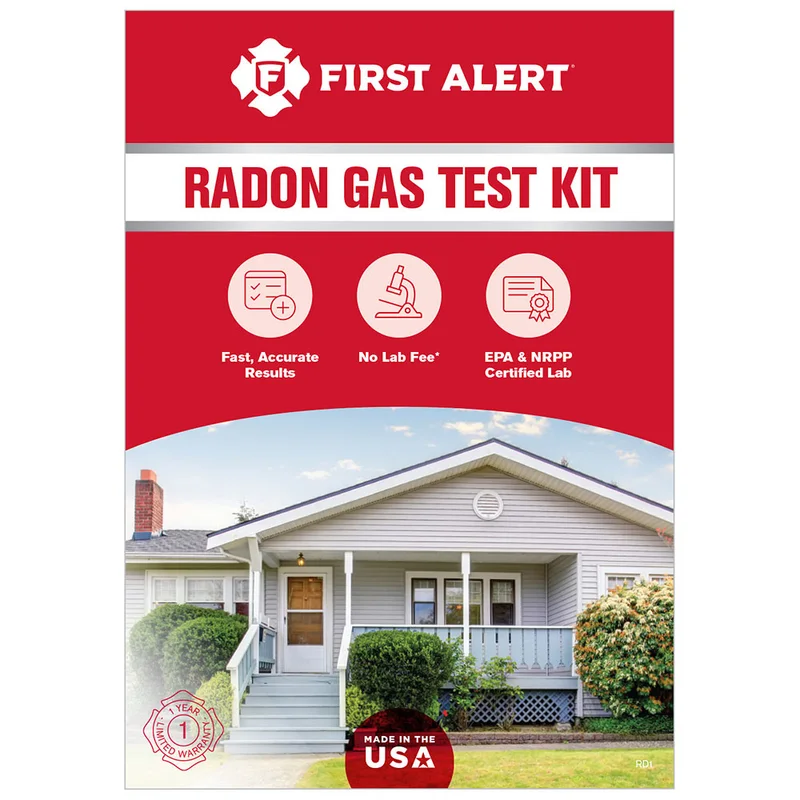
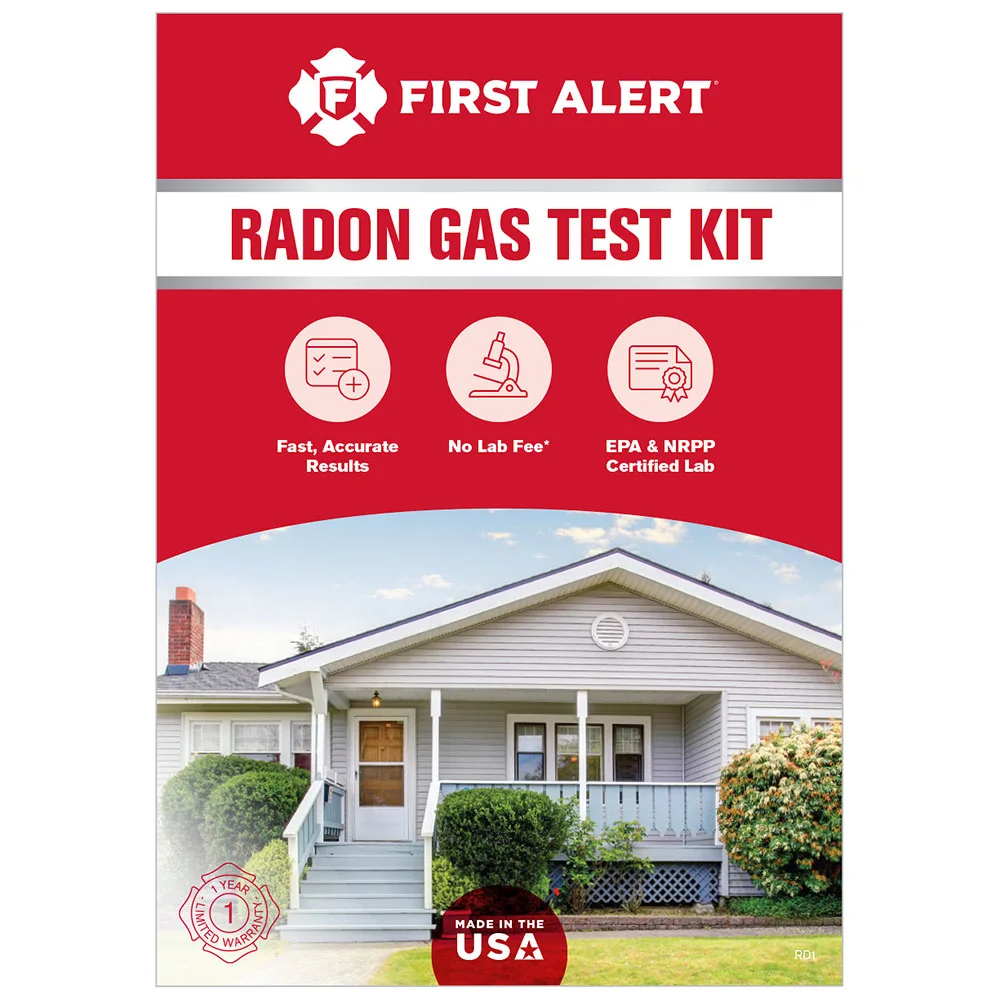
First Alert RD1 Radon Test Kit — best easy radon screening
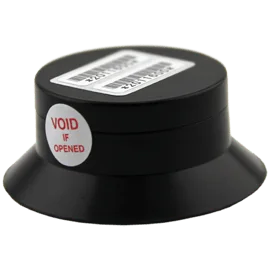
The First Alert RD1 is the classic mail-in radon screening kit: a charcoal-based short-term test you hang in the lowest occupied level, run for the specified window, and mail to the lab with analysis included. It is inexpensive, widely available, and simple enough for a first-time tester. The result is a snapshot — useful for screening and real-estate steps, but a continuous monitor is the better tool for ongoing tracking.
AccuStar Radon Test Kit — best lab-grade short-term test
For home inspections and purchase decisions, the AccuStar kit is the pick many inspectors rely on. It uses a lab-analyzed short-term method with clear instructions and rapid turnaround, and its accredited analysis carries more weight in a formal context. The price is higher than consumer kits, but for a transaction where the result matters, that is the point.
Real-world usage scenarios
- Buying or selling a home. A lab-analyzed radon test is standard during due diligence, and using an accredited kit mirrors what inspectors run.
- A musty room with no visible mold. A mold test kit can confirm spore presence and guide whether to call an inspector — though visible mold warrants a professional regardless.
- Post-renovation VOC concerns. After painting or new flooring, a VOC kit documents chemical levels and whether ventilation is bringing them down.
- Insurance or landlord conversations. A documented lab result is far more persuasive than an app screenshot when discussing remediation with a landlord or insurer.
Buying advice
Start with radon — it is the air quality issue with the clearest action threshold and the most established testing standards. Run a short-term kit first; if levels are near the action line, follow with a long-term test before making decisions. For mold, consider whether you actually need a lab result or just a professional inspection — visible mold never needs a test to justify remediation. Match kit costs to the stakes: a $20 kit is fine for screening, but a transaction justifies the accredited option.
Frequently asked questions
Are home test kits accurate?
Lab-analyzed kits are accurate when used exactly as instructed — placement, exposure time, and closed-house conditions all matter. Consumer monitoring devices, by contrast, show trends but lack the documented lab result these kits provide.
What is the difference between short-term and long-term radon tests?
Short-term tests run a few days under closed-house conditions and give a snapshot. Long-term tests run 90+ days and average out seasonal and weather variation — the better basis for a mitigation decision.
Can a test kit detect every pollutant?
No. Kits target specific analytes: radon, mold spores, VOCs, or particulates. Choose the kit for your question, and combine with a continuous monitor for everyday tracking.
What should I do if results are elevated?
For radon, compare against your region's action level and contact a mitigation professional. For mold, address moisture sources and consider professional remediation for larger growth. For VOCs, increase ventilation and identify the source. Local health agencies can point you to the right specialists.
How do I choose between a kit and a professional?
Kits answer specific screening questions affordably. Professionals add calibrated instruments, multiple samples, and interpretation — worth it when results will drive big decisions like a purchase, remediation, or a health-related investigation.