When the power goes out, the tap stops being reliable. Boiling needs fuel, and bottled water runs out. A gravity water filter — a pitcher or countertop system that purifies water using nothing but gravity — is the emergency-kit and campsite staple that turns any water source into drinkable water without electricity, plumbing, or special skills.
Here are the gravity options we recommend for emergency kits and camping, and how they differ from point-of-use pitchers used daily.
What to look for
- Filtration depth for the source. For municipal tap water in a power outage, carbon and ion-exchange media suffice. For pond, lake, or rain water, you need a system designed for untreated sources — usually with micro-filtration or purification claims. Match the filter to the worst water you might face.
- No-power operation. The point of gravity filtration is zero infrastructure. Verify the system needs no pump, power, or connection.
- Capacity and throughput. A family needs more than a liter an hour in an emergency. Compare reservoir sizes and flow rates against your household size.
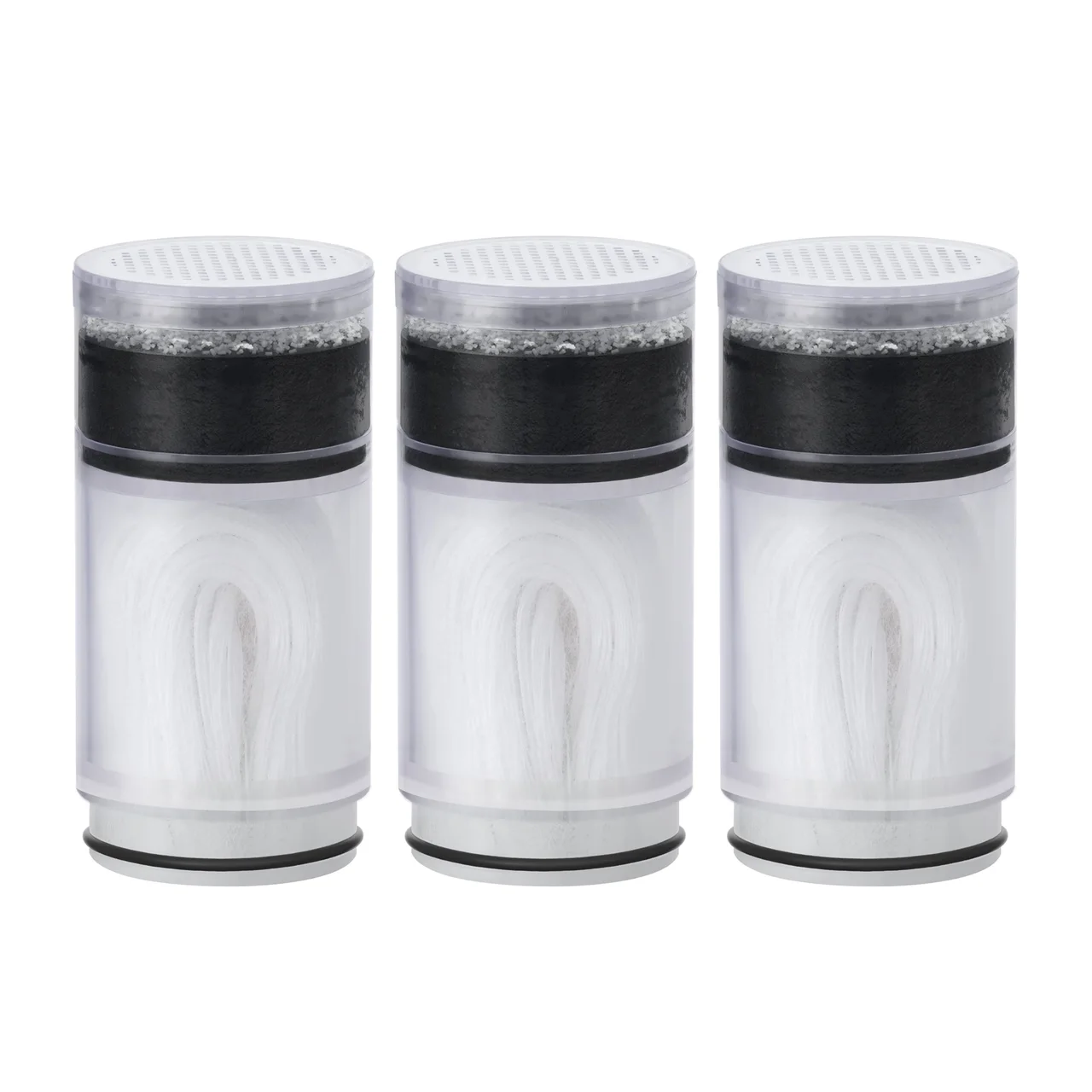
- Filter lifespan and storage. Emergency filters should be stored dry and stay usable for years. Check the shelf life and replacement cost.
- Certifications. For emergency use, published purification standards matter — read what the filter actually removes (protozoa, bacteria, chemicals) before trusting it.
The picks
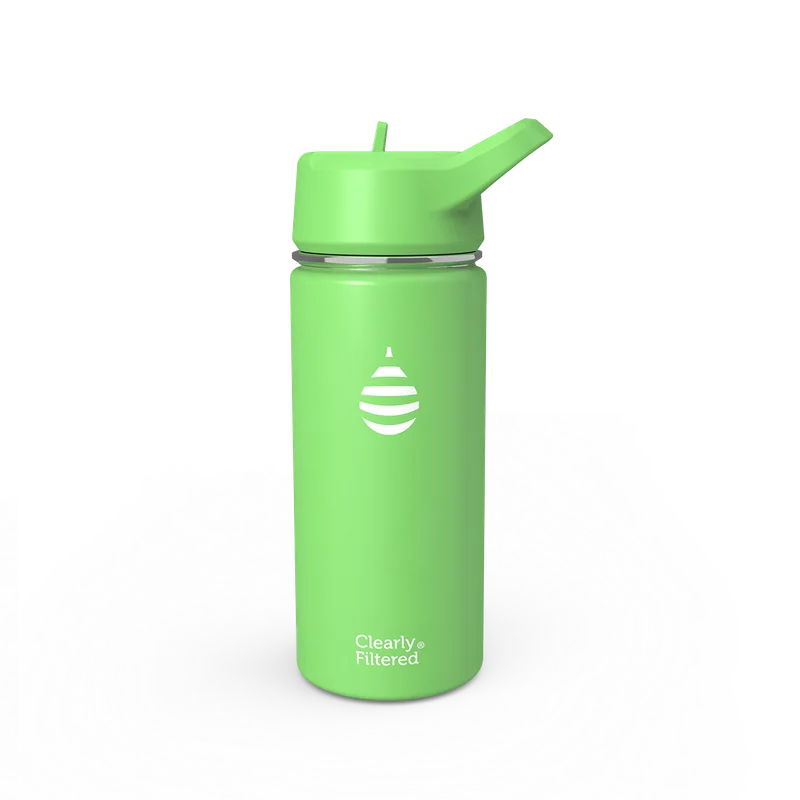
Clearly Filtered Pitcher — best everyday-to-emergency gravity option
The Clearly Filtered Pitcher is the most versatile gravity option we cover: its published lab testing claims reduction of 230+ contaminants, which covers municipal water chemistry far beyond typical pitchers. It needs no power and fits on a counter or fridge shelf, making it the rare filter that earns its place in daily life and doubles as emergency gear when the taps become questionable. For untreated wild water, however, it is not designed for that job — pair it with proper purification for camping.
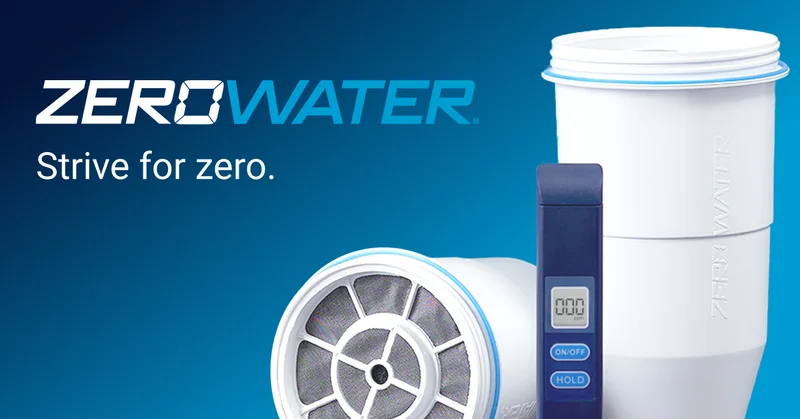
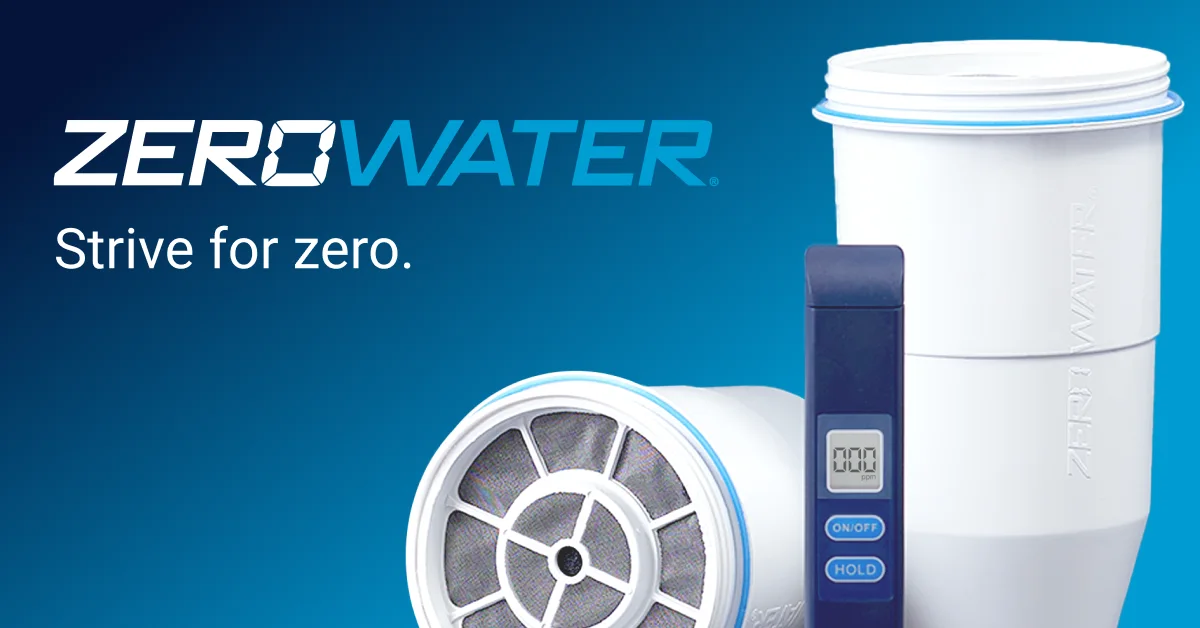
ZeroWater 10-Cup — best gravity proof-of-performance
The ZeroWater 10-Cup brings something valuable to emergency planning: a TDS meter that proves the filter is working. In an extended outage, knowing your filter actually removes dissolved solids — rather than hoping — is worth the price. Its five-stage ion-exchange media reduces dissolved solids to near zero, and it operates purely by gravity. Filters wear faster in high-TDS water and flow is slow, but for measurable performance with no power, it is the pick.
Real-world usage scenarios
- The power-outage kitchen. When the water utility pressure drops or a boil advisory hits, a gravity pitcher provides filtered water for drinking and cooking without fuel for boiling.
- The camping table. For campsites with treated tap water or clean well water, a gravity pitcher beats lugging bottles — and beats boiling for taste.
- The emergency kit. Store a gravity filter with dry media in the emergency kit; it stays shelf-stable and needs no power when deployed.
- The travel trailer. Off-grid without a pump? A gravity filter turns any safe-ish tap source into drinking water without the trailer’s plumbing.
Buying advice
Be honest about the worst water source you will face. If it is municipal tap water during a power outage, a high-quality gravity pitcher with broad contaminant claims is enough. If it is a lake or stream, buy a system with purification claims for untreated water — and treat any claims about wild water with care. Budget for replacement media and note the shelf life for storage. Gravity filters are not fast; buy capacity for your household size, not your patience. For daily use plus emergency readiness, the pitchers above earn their counter space year-round.
Frequently asked questions
Can gravity filters make lake or river water safe?
Only systems specifically designed and certified for untreated water should be trusted for wild sources. Pitchers like our picks are designed for municipal tap water chemistry, not ponds or streams — check the published claims before using any filter on untreated water.
How do I store a gravity filter for emergencies?
Store the media dry in its sealed packaging, keep the pitcher clean, and note the filter's shelf life. Rotate replacement media into your emergency kit on a schedule so it stays usable.
How much water can a gravity filter produce?
Throughput depends on the media and reservoir size — typically a pitcher's worth of water over minutes to an hour. For emergencies, size the reservoir to your household's daily drinking and cooking needs.
Do I still need to boil water?
Follow local advisories. Boil-water notices are issued because filters may not remove all pathogens; if an authority says boil, boiling is the safe answer regardless of your filter's claims.
How long do the filters last?
Lifespans vary by media and water quality — the pitchers here publish lifespans in gallons or months. In emergencies, replace media sooner if the water source is heavily sedimented.