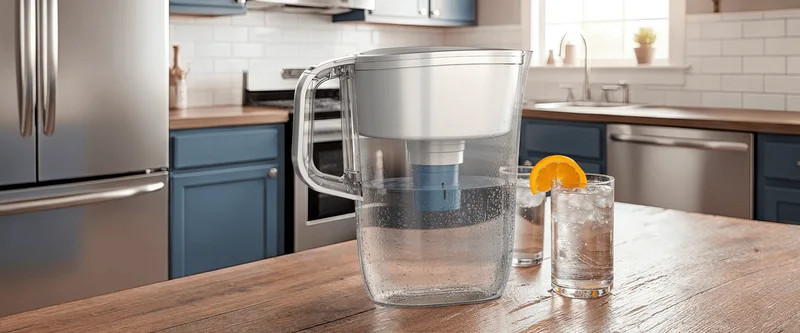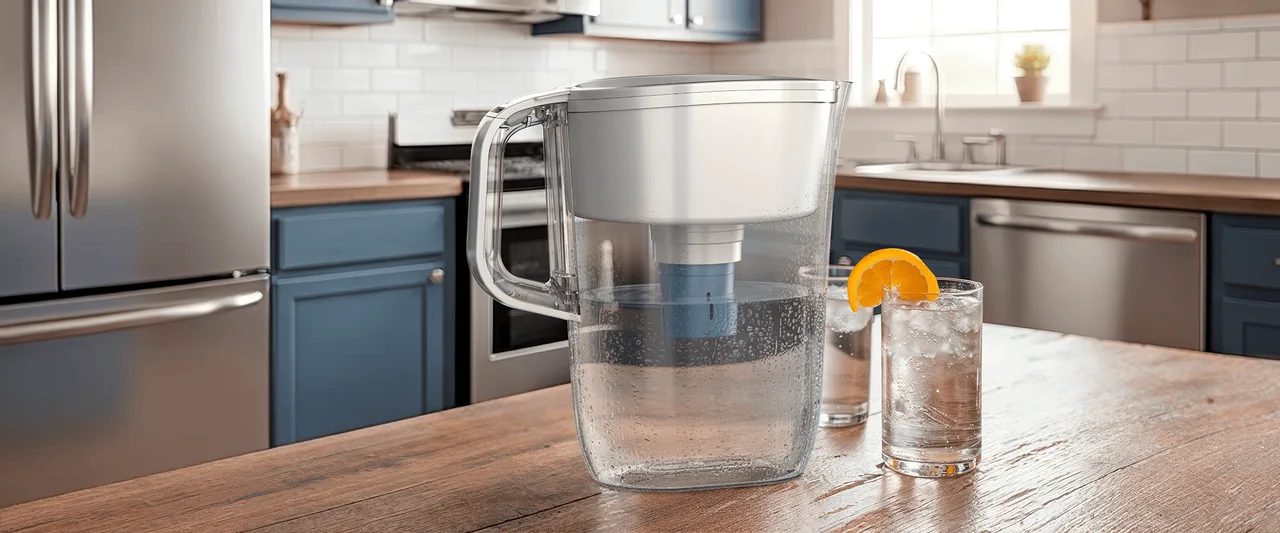
The water filter pitcher is the entry point of the filter world: no installation, no plumber, no drilling — just a pitcher on the counter that makes tap water taste noticeably better within minutes. For households that rent, travel, or simply want the easiest possible upgrade, the pitcher remains the most practical first purchase.
Here are the pitchers we recommend for 2026, compared on taste, contaminant claims, flow, and what each filter really costs per year.
What to look for
- What the filter actually reduces. Pitcher filters range from taste-focused carbon (chlorine and odor) to ion-exchange designs that remove dissolved solids. Read the certified claims — they are the whole story.
- Filter cost per year. The pitcher is cheap; the filters are the product. Compare cartridge price and lifespan to find the real annual cost.
- Flow rate. Filling speed matters when you refill bottles and cook. Slow filters test your patience within a week.
- Capacity and fridge fit. Larger pitchers hold more but may not fit fridge shelves. Measure before buying.
- TDS meter and feedback. Some pitchers include a TDS meter showing dissolved solids, which turns “is it working?” into a measurement.
- Replaceable filter lifespan. Common lifespans range from 2 to 6 months — longer life means lower hassle and cost.
The picks
Clearly Filtered Pitcher — best contaminant reduction in a pitcher
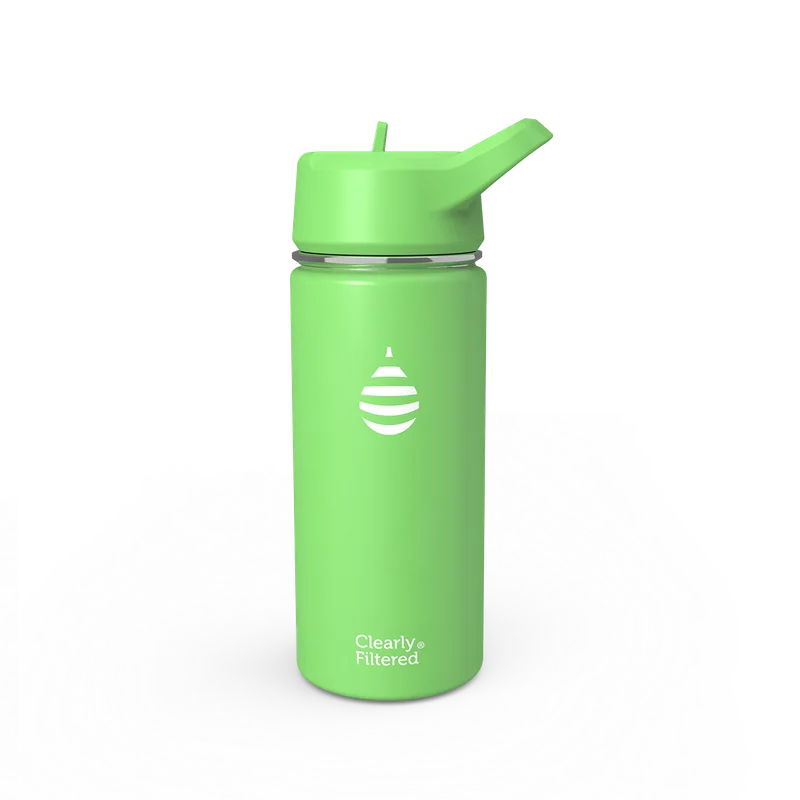
For households concerned about more than taste, the Clearly Filtered Pitcher is the most capable option we cover — its published lab results claim reduction of 230+ contaminants, far beyond typical pitcher filters. It uses a premium filter with a long lifespan, and the water genuinely tastes clean. The price is high for a pitcher, and filter costs add up, but if your water quality report lists specific concerns, this is the pitcher that answers them.
Brita Longlast+ — best everyday value pitcher
The Brita Longlast+ is the default choice for most households: widely available, affordable, and reliable at improving chlorine taste and odor. Its Longlast filter lasts about six months per the manufacturer, which makes the annual cost pleasantly low. It is not a heavy-metal remover and it flows slower than tap, but for the classic “make the tap taste better” job, it remains the value benchmark.
PUR Plus — best budget second option
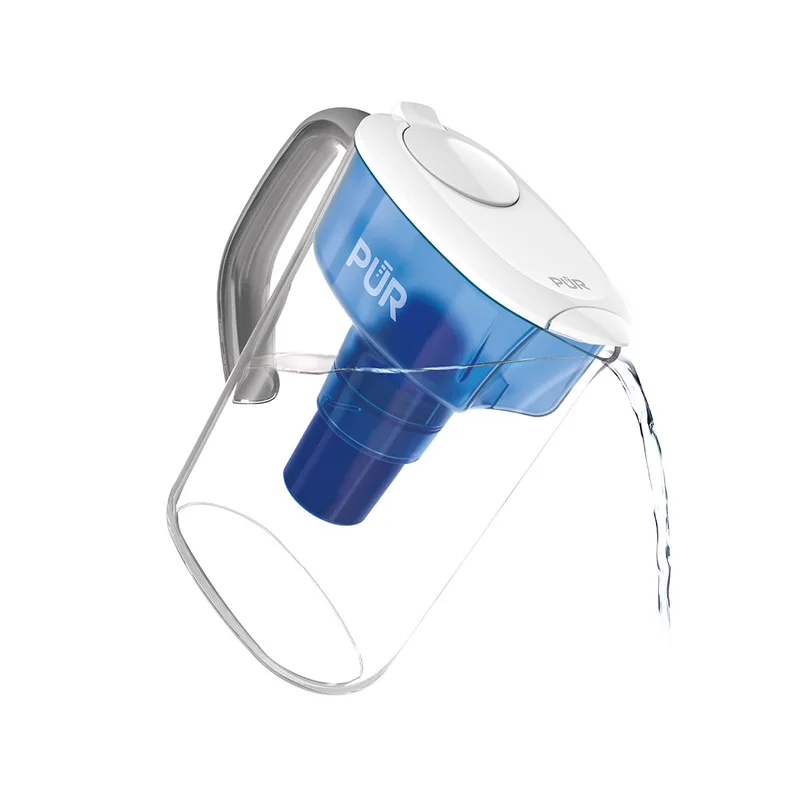
The PUR Plus covers the same everyday job as Brita — chlorine, taste, and select contaminants — at a friendly price with filters that are easy to find in stores. Pitcher models include a filter-change indicator, which removes the “when did I last change this” guesswork. It lacks the premium reduction claims of Clearly Filtered, but as a dependable, cheap improvement it is a strong pick.
ZeroWater 10-Cup — best for hard water and TDS
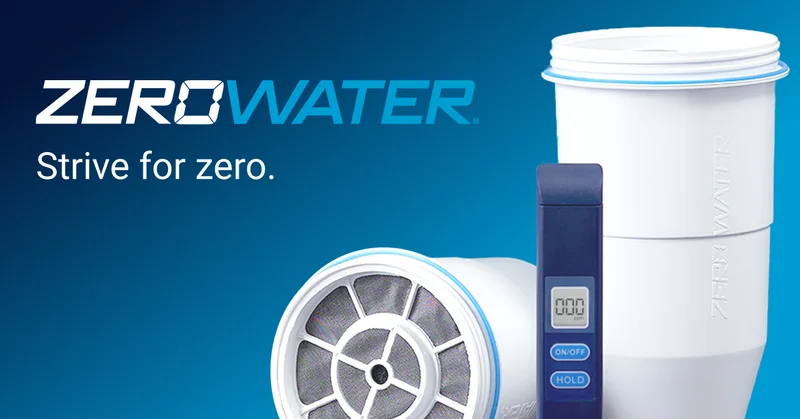
The ZeroWater 10-Cup is the pitcher for households with hard water or anyone who wants visible proof of filtration: it includes a TDS meter, and its five-stage ion-exchange filter reduces dissolved solids to near zero. That measurable difference is why hard-water households swear by it — and why its filters wear out faster and cost more in hard-water areas. Flow is slower, but the TDS feedback makes it the most honest pitcher on this list.
Real-world usage scenarios
- The rental kitchen. A pitcher delivers filtered water with zero installation — the whole point when you cannot touch the plumbing.
- The hard-water apartment. If glasses come out spotted, the ZeroWater’s TDS meter shows exactly what the filter is removing.
- The family hydration station. A large pitcher on the counter replaces single-use bottles and keeps cold water in the fridge.
- The cautious household. If your utility report or a home test flagged specific contaminants, the Clearly Filtered’s broader claims justify its price.
Buying advice
Match the pitcher to the water problem: taste-first households can save money with Brita or PUR; hardness and proof-first households should pay for ZeroWater’s TDS capability; contaminant-specific concerns justify Clearly Filtered. Compute the annual filter cost before buying — a cheap pitcher with pricey filters is the trap. Buy filters in multi-packs to reduce cost, and set a phone reminder for changes. Pitchers are inexpensive enough that seasonal sales matter less than filter costs, which are the real budget line.
Frequently asked questions
Do pitcher filters remove lead?
Some certified pitchers reduce lead — check the specific model's certification list. Pitchers that remove dissolved solids (like ZeroWater) or broad contaminant sets (like Clearly Filtered) are more likely to cover heavy metals than basic carbon-only filters.
How often should I replace the filter?
It depends on the brand and your water: typical lifespans range from 2 to 6 months or a gallonage cap, whichever comes first. Filter-change indicators and TDS meters help; otherwise, mark the calendar.
Are pitchers as good as under-sink systems?
For taste and everyday use, pitchers are excellent value. For broader contaminant reduction, higher volume, or convenience, under-sink RO systems outperform them — at higher cost and with installation.
Why does my pitcher filter slowly?
Carbon and ion-exchange filters are restrictive by design. If flow drops sharply over time, the filter is saturated and due for replacement — not broken.
Can I put the pitcher in the fridge?
Most are fridge-safe and many are designed to fit fridge shelves, but the largest models may not. Measure your shelf height and check the pitcher's dimensions before buying.